Spray Booth Airflow Problems in Industrial Paint Systems
Airflow Degradation in Spray Booth Operation
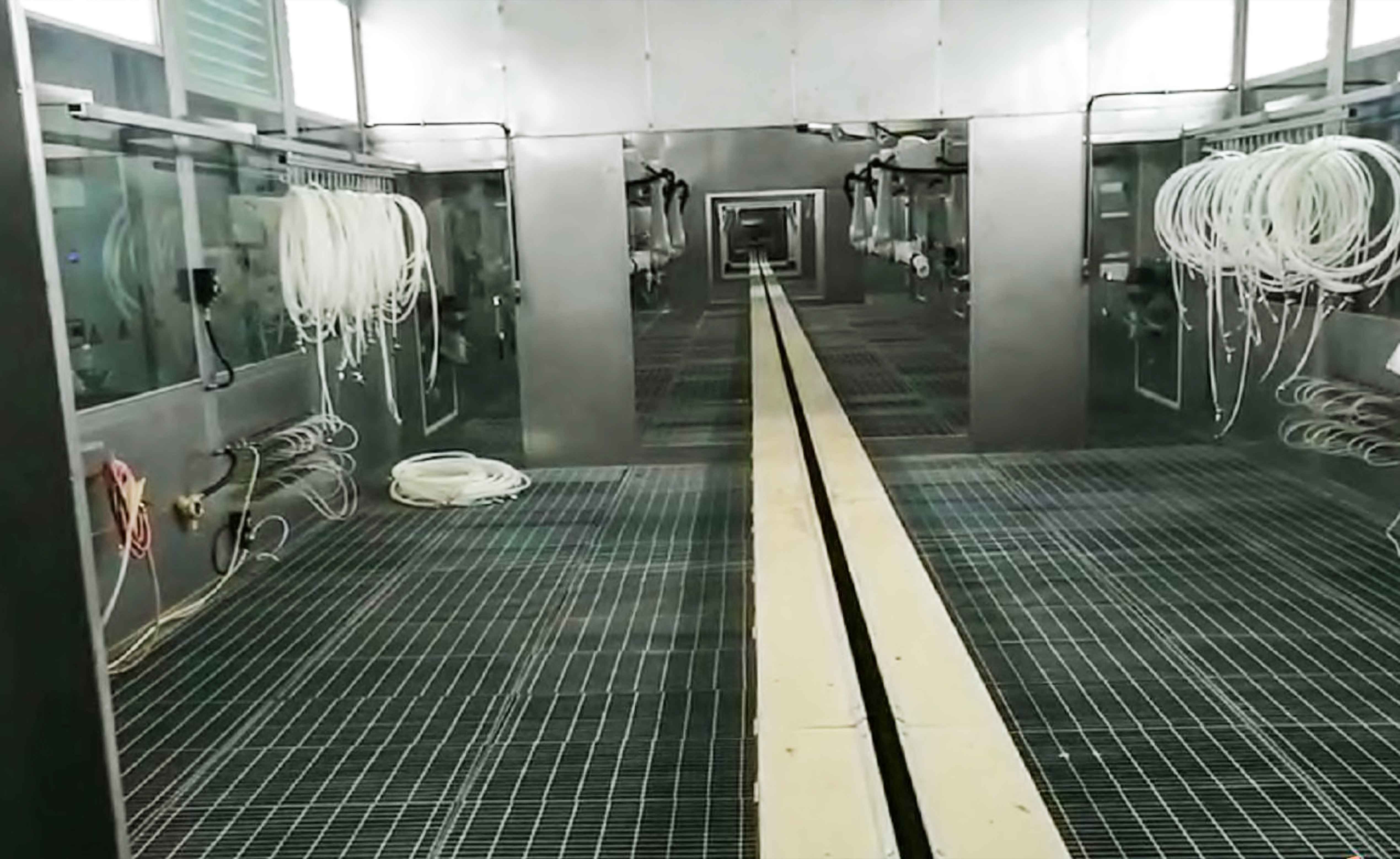
We received multiple field reports from spray booth operators describing a recurring situation where the booth initially operates under normal conditions, but after a relatively short period of operation, airflow begins to feel noticeably weaker and the system no longer performs as smoothly as it did at startup. In many of these cases, the differential pressure gauge also begins to indicate that the filter requires replacement, even though the filter media does not appear to be fully saturated from a visual inspection.
At the operational level, this situation is often interpreted as premature clogging or excessive overspray loading. Some users assume that the filter quality is insufficient, while others suspect that the fan system is not providing stable airflow output. As a result, maintenance cycles are sometimes shortened in an attempt to prevent further performance degradation.
However, when multiple operating datasets are compared across different systems, a more consistent pattern emerges: airflow reduction does not always align directly with the physical saturation state of the filter media. Instead, the decline in perceived airflow is often linked to how resistance develops within the system during continuous operation.
Pressure Drop Increase and Its Misinterpretation in Spray Booth Systems
As operation continues, the most visible indicator of system change is the gradual increase in pressure drop across the filter. This increase is commonly assumed to be a direct measurement of filter exhaustion, but in practice, it reflects a combination of airflow resistance growth and system response behavior rather than purely physical blockage.
In constant airflow spray booth systems, the control logic continuously adjusts system pressure to maintain a stable air volume. When resistance begins to increase due to overspray accumulation, the system compensates by increasing pressure output to preserve airflow consistency. This compensation mechanism causes the pressure drop value to rise more rapidly than the actual physical loading of the filter media.
As a result, the pressure signal does not represent a simple linear relationship with filter saturation. Instead, it becomes influenced by both media condition and system control behavior, which often leads to the impression that the filter has reached its end of life earlier than it actually has.
System-Level Causes of Airflow Instability
When airflow instability is analyzed more deeply, it becomes clear that the issue is not limited to the filter itself. The overall system behavior is determined by the interaction between fan capacity, filter resistance, duct design, and booth geometry, all of which evolve during operation.
If the system is operating under constant airflow control, any increase in resistance is immediately compensated by pressure adjustments. Over time, this creates a situation where the system remains operationally stable in terms of airflow volume, but the internal pressure state continues to rise. This imbalance is often misinterpreted as filter failure, even though the underlying issue is system-level resistance accumulation.
Why Airflow Problems Are Often Misdiagnosed as Filter Failure
In practical applications, airflow problems are frequently attributed to the filter because it is the most visible and replaceable component in the system. However, this interpretation overlooks the fact that airflow behavior is governed by the entire system rather than a single element.
When pressure drop increases earlier than expected, it is often not a sign of sudden filter failure, but rather an indication that the system is operating under a dynamic compensation state. In this state, the relationship between airflow, resistance, and pressure is no longer linear, which makes simple threshold-based maintenance decisions less reliable.
Engineering Perspective on Spray Booth Airflow Control
From an engineering standpoint, spray booth airflow should be understood as a controlled balance between resistance growth and pressure compensation. Filter media does not only serve as a capture element for overspray, but also functions as a variable resistance component within the airflow system.
When this interaction is not properly accounted for, pressure-based maintenance signals can lead to premature filter replacement decisions, even when the remaining filtration capacity is still available. Understanding this relationship is essential for optimizing both system stability and operational cost efficiency.
Practical Implications for Industrial Spray Booth Operation
In real-world operation, this means that pressure drop readings should not be interpreted in isolation. Instead, they need to be evaluated alongside airflow behavior, system control strategy, and actual production conditions.
In constant airflow systems in particular, pressure increase is expected as part of normal compensation behavior. Without this context, operators may misjudge system performance and replace filters earlier than necessary, increasing operational cost without solving the underlying airflow dynamics.
RT Air Filtech Engineering Insight
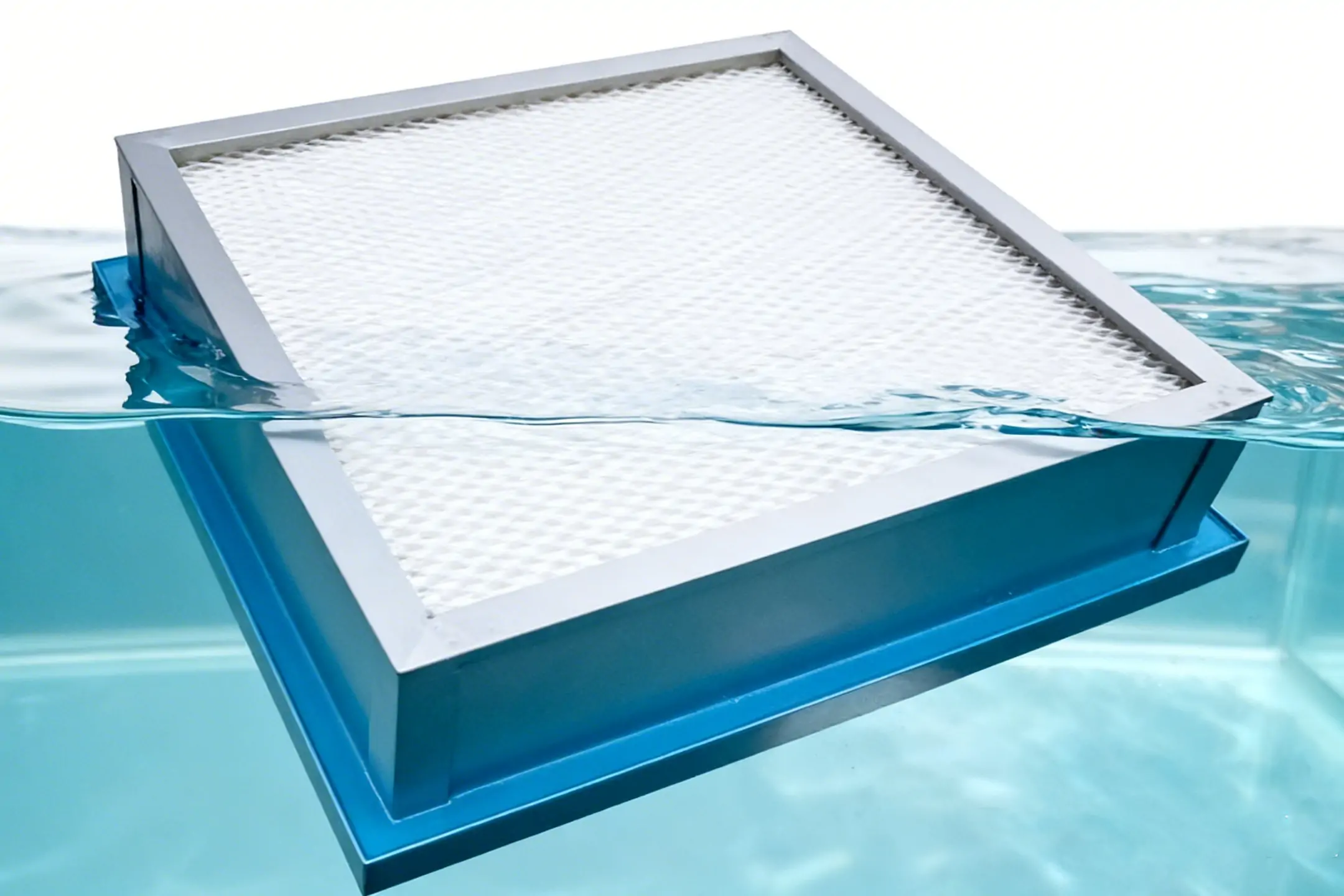
RT Air Filtech provides industrial air filtration solutions designed for spray booth systems with different airflow control strategies and overspray conditions. By focusing on optimized pressure drop behavior, stable airflow resistance curves, and high dust holding capacity media, our solutions help reduce premature maintenance triggers and improve overall system stability in continuous coating environments.