Key Role and Application Specifications of Air Filters in Purification Air Conditioning Systems
In purification air conditioning systems, air filters undertake the core responsibility of removing suspended particulates, microorganisms, and various pollutants from the air, playing an irreplaceable role in creating air environments with specific cleanliness levels. Whether in pharmaceutical workshops with strict microbial control, precision electronic production workshops with zero tolerance for dust pollution, or medical surgical environments, purification air conditioning systems and their air filters are key to ensuring air quality standards are met.
Scientific Selection Based on Cleanliness Level
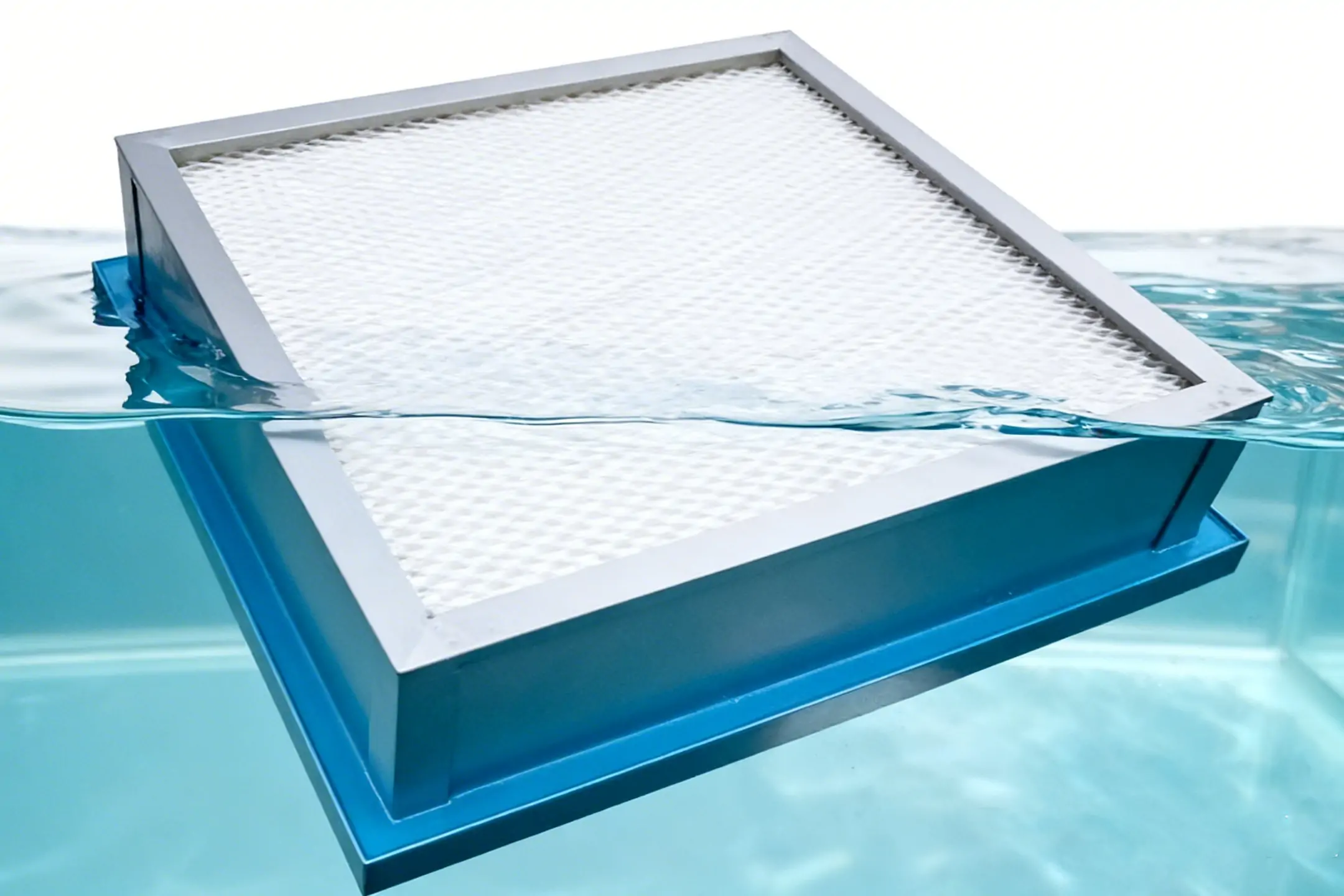
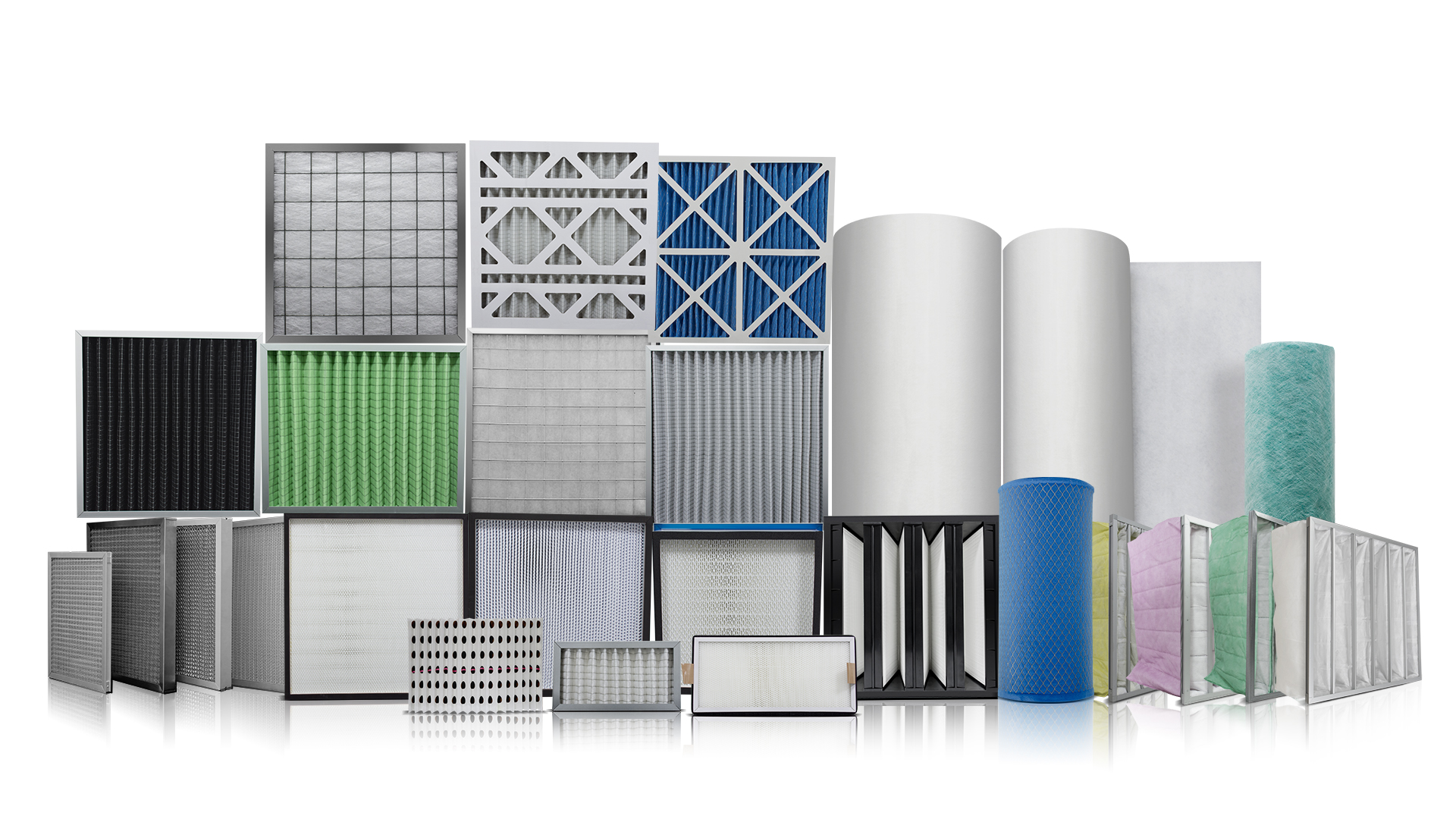
The selection of air filters must be strictly based on the air cleanliness level. Different levels of clean spaces have significantly different requirements for filter efficiency. For example, ultra HEPA filters are essential in a Class 100 ultra-clean environment. Medium-efficiency or HEPA filters can meet basic purification needs for general clean places. Reasonable selection ensures purification effectiveness and avoids resource waste from over-configuration.
Strictly Match Processing Air Volume
The processing air volume of the air filter must be less than or equal to its rated air volume. Exceeding the rated processing air volume significantly reduces filtration efficiency, allowing pollutants to penetrate, accelerates filter wear, shortens service life, and increases maintenance costs. Strictly matching the processing air volume is an important prerequisite for maintaining the stable operation of the filter and ensuring the purification effect.
Optimize Filter Installation Layout
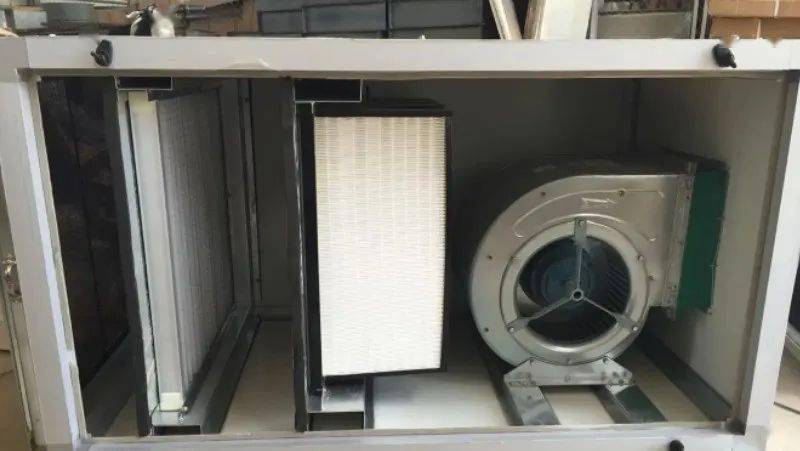
Medium-efficiency or HEPA air filters should be centrally installed in the positive pressure section of the air conditioning unit. The positive pressure section can provide a stable airflow environment for the filter, ensuring its efficient preliminary filtration of air and effectively intercepting larger particulate pollutants in the air. Sub-HEPA and HEPA filters, the terminal defense line of the purification air conditioning system, should be installed at the system's end for secondary fine filtration of pre-filtered air. Due to their stringent purification accuracy requirements, Ultra-high efficiency filters are invariably installed at the system's end to ensure air meets specified cleanliness standards.
Ensure Performance Matching of Filters in the Same Room
HEPA air filters within the same clean room should have similar resistance and efficiency. Unequal filter resistance and efficiency result in inconsistent airflow and compromised purification, preventing the clean room from meeting its uniform cleanliness requirements. Maintaining performance matching helps to improve the stability and purification efficiency of the entire purification system.
Adopt a Reliable Installation Method
For HEPA air filters, installation must be tight to prevent leakage, simple to facilitate maintenance, and reliable to maintain system integrity. A tight installation prevents unfiltered air bypass and leakage, ensuring effective filtration. Simple and reliable installation methods facilitate subsequent leak detection and replacement work, reduce maintenance difficulty, and ensure that the purification air conditioning system is always in optimal operating condition.
While fresh air treatment, return air utilization, fan frequency conversion, and anti-freeze protection are important for stable operation and energy efficiency, air filters are key equipment directly determining air purification quality, making their selection and application core to creating high-quality clean spaces. In the design, installation, operation, and maintenance of purification air conditioning systems, the various aspects of air filters must be given high attention to ensure the efficient and stable operation of the purification system.