Guía Completa sobre Filtros de Cabina de Pintura
The quality of a vehicle's finish is a critical aspect that depends significantly on the environment in which the painting process takes place. A controlled and clean environment is essential to achieving a perfect finish, and one of the key components in ensuring this environment is paint booth filters. These filters not only ensure uniform paint application, but also protect the health of personnel and extend the life of painting equipment. In this guide, we will explore the importance of these filters, the different types available, and how to choose the right one for your paint booth.
Filters for automotive paint booths are essential for maintaining a clean and controlled environment inside the booth. These filters play a crucial role by:
- Remove dust and dirt particles: Dust or dirt in the air can cause imperfections on the painted surface, such as bubbles or spots, which compromise the quality of the finish. Filters ensure that the air is free of these particles, allowing the paint to adhere perfectly to the vehicle's surface.
- Control air flow: Controlled air flow is vital to ensure even paint application. Filters help maintain a constant and predictable air flow, which is essential to prevent particle buildup in certain areas and to ensure that the entire surface of the vehicle receives an even coat of paint.
- Protecting staff health: Paint booths can be dangerous places if not managed properly. High-quality filters are capable of capturing toxic particles and harmful vapors that can be detrimental to staff health. This not only improves the safety of the work environment, but can also increase productivity by reducing the risk of illnesses related to chemical exposure.
In summary, filters not only improve the quality of the finish, but also contribute to a safer and more efficient working environment. An efficient filtration system is an investment that can have a positive impact on the quality of the final product and on the health and well-being of workers.

There are several types of filters for paint booths, each designed to meet specific needs. Below, we detail the most common ones:
Filtro de Cartón para Cabina de Pintura
El filtro de cartón es una opción económica y efectiva para capturar partículas grandes. Estos filtros son conocidos por su durabilidad y capacidad para atrapar partículas a lo largo de múltiples capas de cartón plegado. Son ideales para cabinas con un volumen de trabajo moderado. Además, su estructura simple permite un fácil reemplazo y bajo costo de mantenimiento, lo que los convierte en una opción popular para talleres que buscan soluciones rentables.
Sin embargo, es importante tener en cuenta que los filtros de cartón pueden no ser adecuados para cabinas de pintura que manejan trabajos de alta precisión o que requieren un control más estricto del ambiente. En estos casos, puede ser necesario considerar filtros de mayor eficiencia para asegurar que incluso las partículas más finas sean capturadas y se mantenga un entorno de trabajo limpio y seguro.
Filtros de Techo para Cabinas de Pintura
Estos filtros están diseñados para instalarse en el techo de la cabina y son esenciales para asegurar un flujo de aire limpio desde arriba. Los filtros de techo para cabinas de pintura suelen estar hechos de fibras sintéticas que atrapan partículas finas y proporcionan un flujo de aire consistente. Este tipo de filtro es crucial para evitar que las partículas en el aire caigan sobre la superficie del vehículo durante el proceso de pintado.
Además, los filtros de techo ayudan a mantener un equilibrio de presión dentro de la cabina, lo que es importante para evitar que el polvo y otros contaminantes entren desde el exterior. Al mantener el aire limpio y en movimiento, estos filtros contribuyen a un acabado de pintura de alta calidad y a la protección de la salud del personal al minimizar la inhalación de partículas dañinas.
Filtros de Aire para Cabina de Pintura
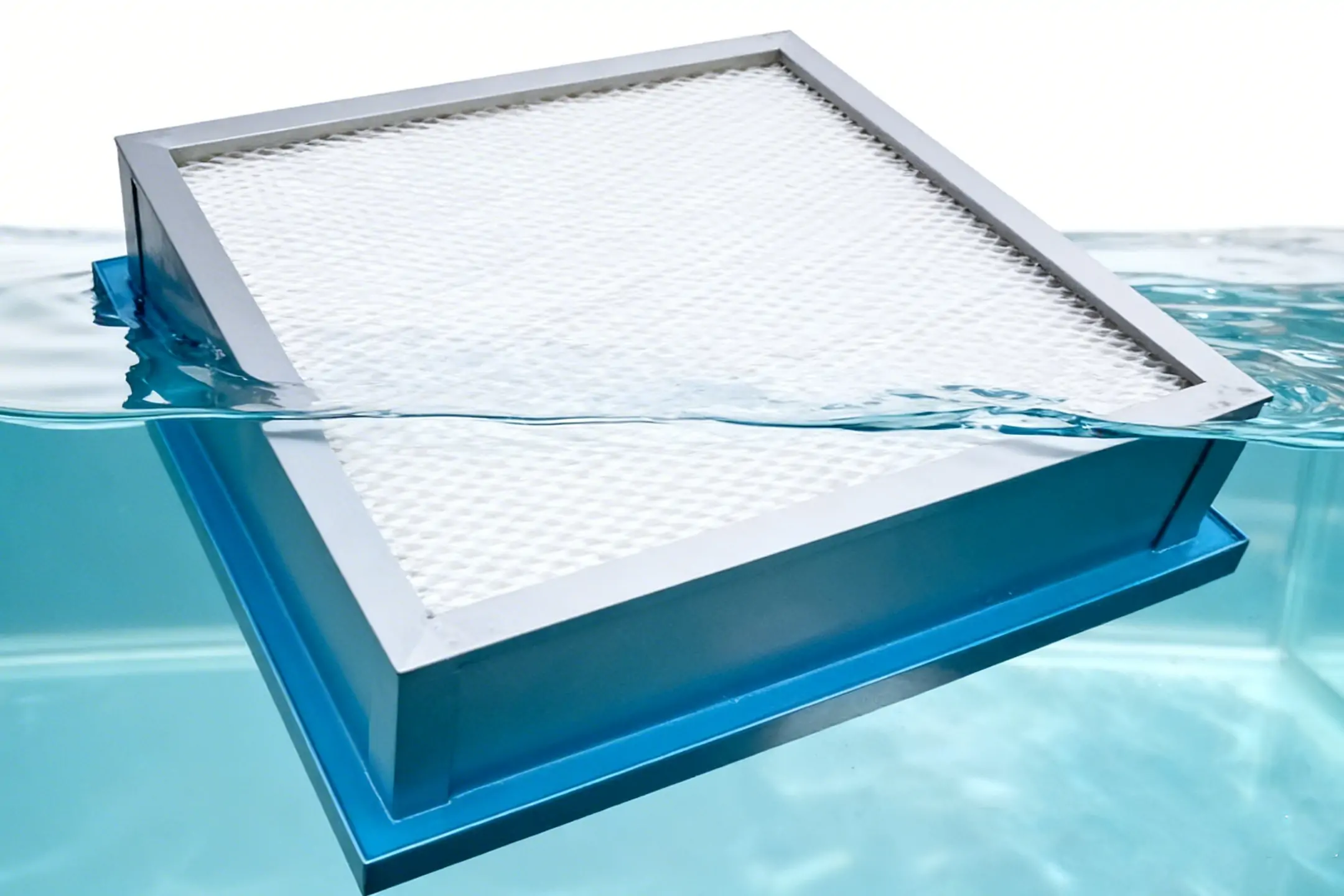
Los filtros de aire son fundamentales para cualquier sistema de ventilación en una cabina de pintura. Su principal función es capturar partículas finas y vapores químicos, asegurando un ambiente seguro y limpio para el personal. Estos filtros vienen en diferentes grados de eficiencia, desde filtros básicos hasta HEPA, capaces de capturar el 99.97% de las partículas. Elegir el grado adecuado de filtro de aire depende de las necesidades específicas de la cabina y del tipo de trabajos que se realizan.
Además, los filtros de aire de alta eficiencia no solo mejoran la calidad del aire dentro de la cabina, sino que también pueden reducir los costos operativos a largo plazo. Al mantener un ambiente más limpio, se reduce el desgaste de otros equipos de la cabina, lo que puede llevar a menos interrupciones y una mayor vida útil de los equipos, beneficiando así tanto la calidad del producto final como la eficiencia operativa.
Cómo Elegir el Filtro Adecuado para tu Cabina de Pintura

Seleccionar el filtro adecuado para tu cabina de pintura puede parecer una tarea complicada, pero al considerar ciertos factores, la elección se simplifica:
- Type of work: Evaluate the type of work you do. If you work with paints and varnishes that generate a lot of particles, consider high-efficiency filters. This is especially important if you handle projects that require a high-quality finish, as particles in the air can compromise the final result.
- Frequency of use: Booths that see heavy use will require more robust filters that need to be changed frequently. If your booth is in constant use, it is essential to choose a filter that can withstand daily wear and tear and is easy to replace to minimize downtime.
- Compatibility: Ensure that the filter is compatible with your booth's ventilation system. Not all filters are universal, so checking the manufacturer's specifications is crucial to ensure a proper fit and optimal performance.
- Budget: Consider the long-term cost. Sometimes, a more expensive but high-efficiency filter can be more economical because it requires fewer changes. Evaluating the total cost of ownership, including replacement frequency and impact on finish quality, will help you make a more informed decision.
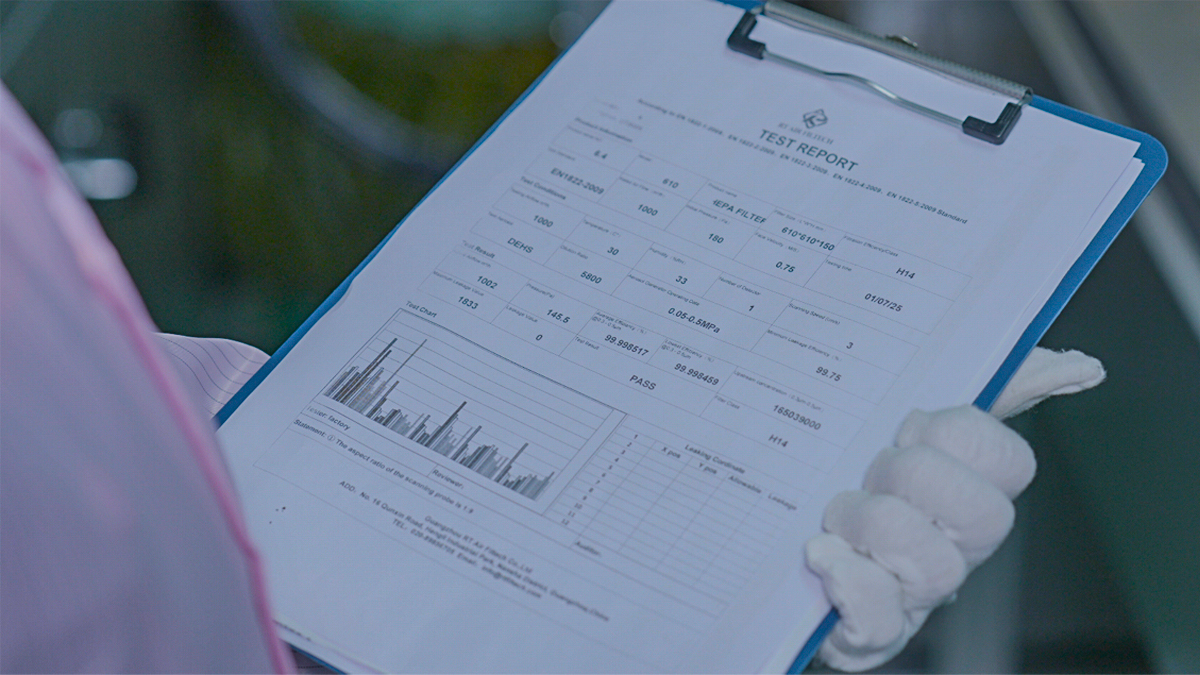
- Standards and regulations: Verify that filters comply with local health and safety standards. Complying with these regulations is not only a legal requirement, but also protects the health of your staff and can prevent costly fines.
Filter Maintenance and Replacement
Proper maintenance of paint booth filters is crucial to ensuring their effectiveness and extending their service life. Here are some useful tips:
- Regular inspection: Perform frequent visual inspections to detect dust accumulation and damage. This will allow you to identify problems before they affect the quality of your work or the safety of your work environment.
- Periodic cleaning: Some filters can be cleaned and reused, but always follow the manufacturer's recommendations. Proper cleaning can extend the life of the filter and maintain its efficiency, although it is important not to compromise the integrity of the filter during the process.
- Timely replacement: Don't wait until the filter is completely clogged. Replacing it in a timely manner ensures consistent airflow and optimal air quality. A regular replacement schedule can be the difference between a flawless finish and a subpar result.
- Maintenance log: Keep a record of changes and maintenance performed to ensure you are following a proper schedule. This will not only help you plan for future replacements, but can also serve as evidence of regulatory compliance.
Benefits of Using High-Quality Filters
Investing in high-quality filters for paint booths can offer multiple benefits, including:
- Better finish quality: Fewer imperfections and a more uniform finish. This is crucial for maintaining customer satisfaction and a good reputation in the market.
- Increased operational efficiency: Consistent airflow improves drying time and reduces downtime. This means you can complete more jobs in less time, increasing productivity and potential revenue.
- Safer working environment: Less exposure to toxic substances and hazardous particles. A safer environment not only protects workers, but also improves morale and reduces the risk of long-term health problems.
Last but not least, remember that a good filtration system is an investment in the quality of your work and the safety of your team. With the knowledge gained from this guide, you will be better equipped to make informed decisions about filters for your paint booth. A proactive and well-informed approach will ensure that your painting operation not only meets the highest quality standards, but also maintains a safe and productive working environment for everyone.
Contact RT Air Filtech for the best business advice. Our products are exported to countries around the world with virtually no negative reviews. In addition, we have extensive capabilities and offer customization services.