Cost-Effectiveness Analysis of 4 Types Dry Filter Spray Booth
Selecting the right paint booth is critical for any finishing operation. While dry filter spray booths are a popular, water-free solution, their true cost isn't just the initial price tag. The long-term expense and performance are determined by the filter media you choose.
This guide breaks down the pros, cons, and costs of the four most common dry filter booth types to help you make a smart, cost-effective decision for your business.
How Does a Dry Filter Spray Booth Work?
A dry filter spray booth captures paint overspray through physical filtration. A powerful exhaust fan draws air and paint mist into the booth. The contaminated air first passes through a primary filter (like the ones detailed below), which traps the majority of the solid particles. The air then often goes through a secondary filter for final polishing before being exhausted or treated further. This system is simple, effective, and avoids the need for water and chemical treatment.
Comparing the 4 Dry Filter Spray Booth Solutions
Maze-Type Paper Spray Booth Dry Filters
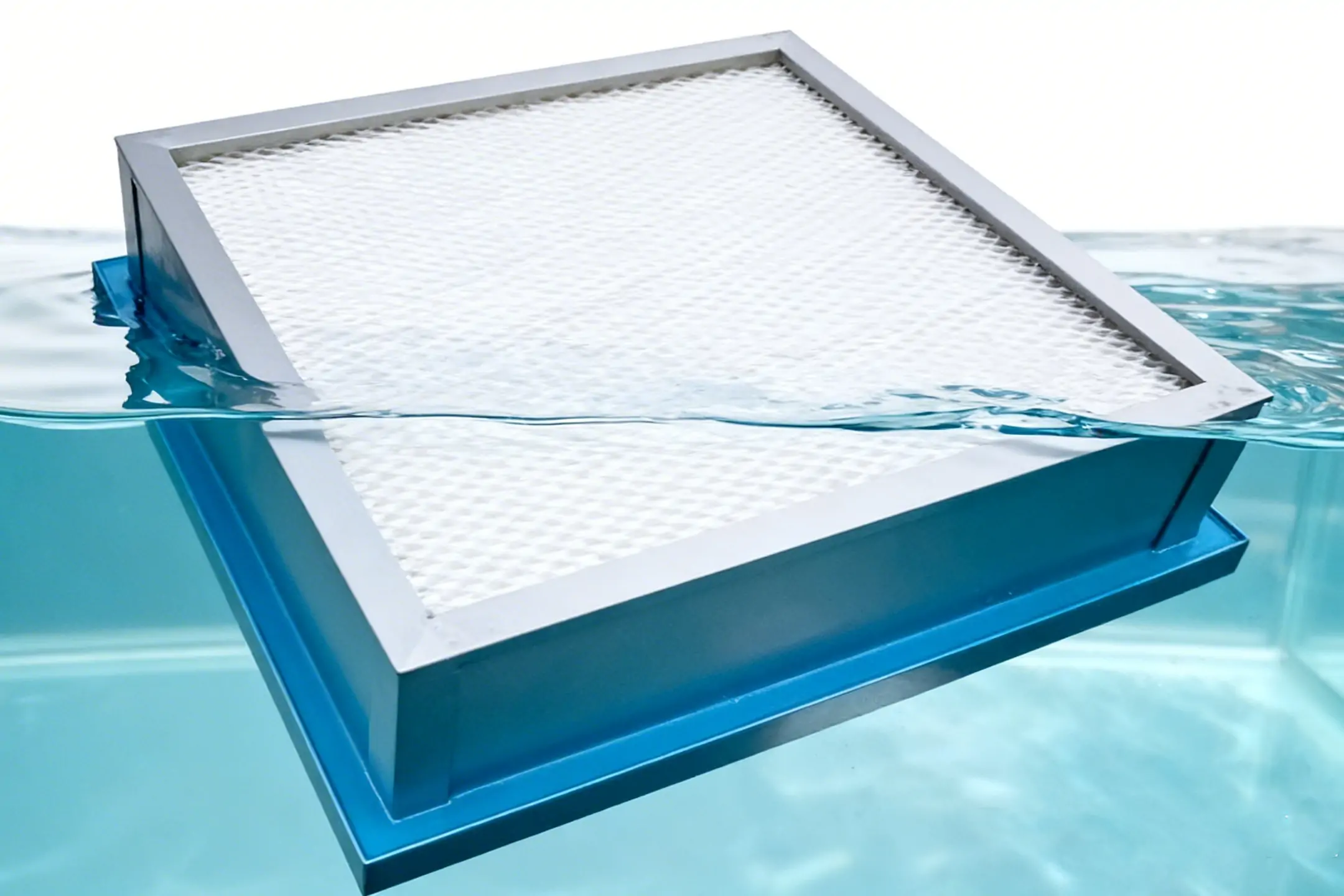
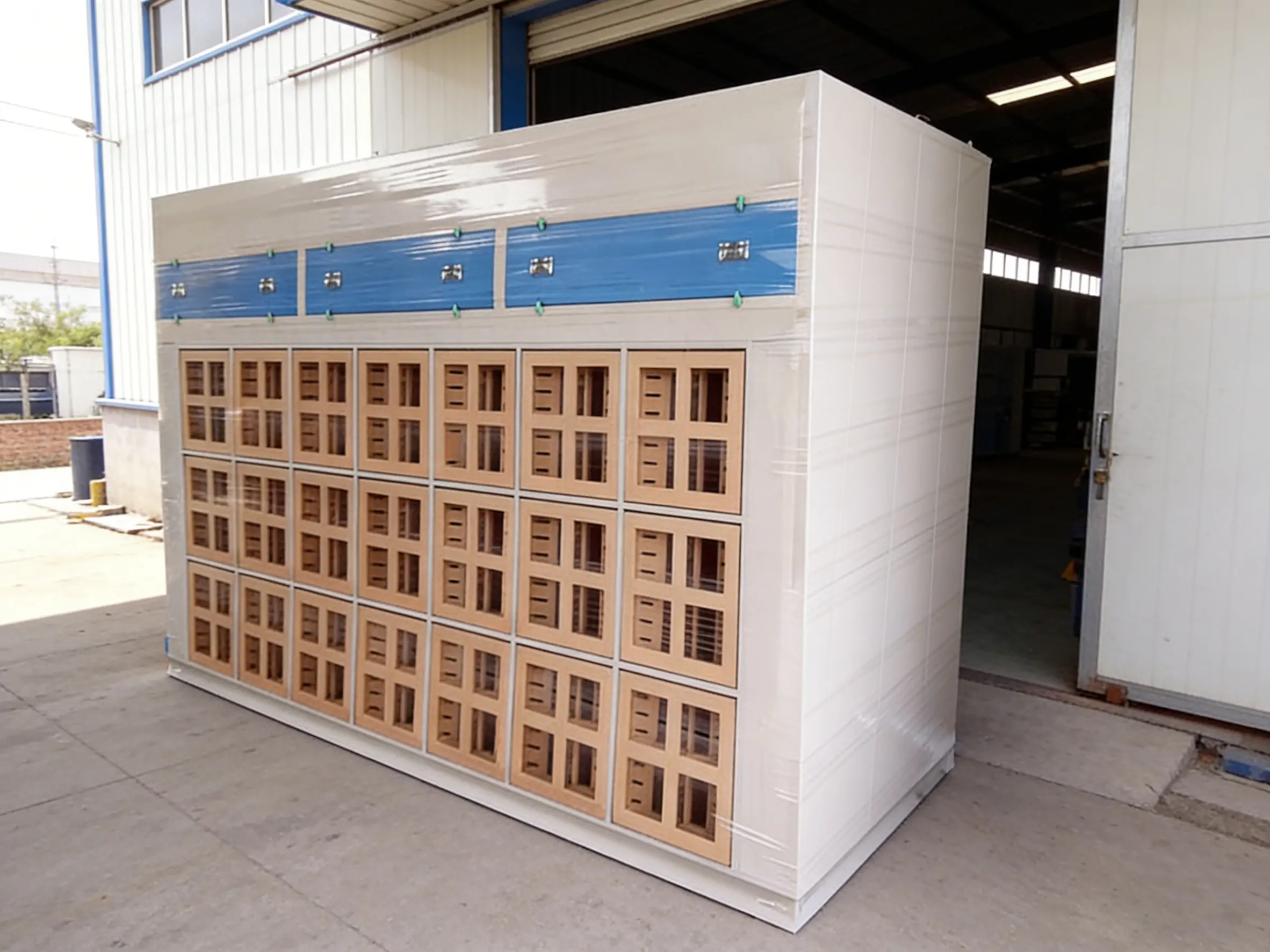
How it Works: These are compact, box-style filters with a complex, maze-like internal structure. Paint particles are forced to change direction repeatedly, causing them to lose energy and stick to the filter walls.
Key Advantage: Exceptional Dust Holding Capacity. These filters can hold 4 to 5 times more paint than standard filter rolls. They maintain consistent airflow even when nearly saturated, preventing downtime.
Best For: High-production shops with continuous spraying operations, such as in large metal fabrication or furniture manufacturing.
V-Type Filter Paper Paint Arrestor
How it Works: This rigid, pleated filter paper is arranged in a "V" pattern. As air navigates the V-shaped channels, heavier paint particles are forced by inertia onto the adhesive-coated paper surfaces.
Key Advantage: High Efficiency & Reliability. They offer excellent filtration (over 90%) and perform consistently, even in humid conditions. They have a high weight-holding capacity per square meter.
Best For: Most medium-duty applications where a balance of performance and cost is key, such as automotive repair and industrial equipment painting.

Paint Booth Filter Rolls (Glass Fiber Media)
How it Works: This is the most basic and common filter media—a roll of green-and-white fiberglass. It captures particles through a combination of mechanical straining and static charge.
Key Advantage: Lowest Upfront Cost. This is the most economical option for the initial filter purchase.
Best For: Low-volume shops, hobbyists, or operations with a very tight initial budget. It's a simple, entry-level solution.

Multi-Stage Filtration Systems
How it Works: This is a comprehensive setup, not a single filter. A typical system includes:
- Primary Stage: A coarse filter roll or pad to catch larger particles.
- Secondary Stage: A bag filter (e.g., F4/F5 grade) to capture finer particles.
- Tertiary Stage: An activated carbon filter to adsorb VOCs and odors.
Key Advantage: Superior Air Quality & Compliance. This is the ultimate solution for capturing both particulate and gaseous pollutants, often required for indoor air recirculation or in areas with strict environmental regulations.
Best For: High-end manufacturing, environmentally sensitive locations, and shops that need the cleanest possible exhaust air.

Dry Filter Spray Booth Cost Analysis
True cost-effectiveness combines the price of the filters with their replacement frequency. Let's analyze the cost for a standard 4-meter (13 ft) spray booth.
| Filter Type | Estimated Cost per Change | Replacement Frequency | Long-Term Cost Analysis |
|---|---|---|---|
| Maze-Type Paper Filters | ~ $90 (21 pcs) | Very Low | Highest single cost, but the long lifespan offers the lowest long-term cost and labor. |
| V-Type Paper | ~ $32 (8 meters of paper) | Medium | The best balance. A reliable "sweet spot" for performance and total cost of ownership. |
| Fiberglass Filter Rolls | ~ $12 (8 meters of roll) | Very High | The cheapest per change, but frequent replacements add up in cost and labor time. |
| Multi-Stage System | Highest (multiple filters) | Medium (primary stage protects others) | Highest initial investment for superior performance and regulatory compliance. |
Which Dry Filter Spray Booth is Right for You?
Your choice should be driven by your shop's specific needs:
- For Maximum Uptime & Production Efficiency: Choose Filter Cartridges. The reduced frequency of changeovers saves labor and maximizes productivity in high-volume environments.
- For the Best All-Around Value: Choose V-Type Filter Paper. It delivers proven performance, reliability, and a great balance of operational costs for most shops.
- For a Tight Budget or Very Low Volume: Filter Rolls are a viable starting point. Be prepared for frequent changes to maintain performance.
- For Top-Tier Performance & Environmental Compliance: Invest in a Multi-Stage Filtration System. It's the definitive solution for meeting the highest standards for air quality and emissions.
There is No One-size-fits-all Answer.
By understanding the capabilities and costs of these four common dry filter types, you can move beyond the initial price and select the solution that offers the best true value for your painting operation. Assess your production volume, budget, and regulatory needs to make the most cost-effective choice.