Factors Impacting RT Pre-filter Lifespan and Tips for Efficient Maintenance
Factors Impacting RT Pre-filter Lifespan and Tips for Efficient Maintenance
The lifespan of an RT pre-filter depends on various factors including the environment in which it operates, the airflow rate, the material of the filter, and how well it is maintained. Let's delve deeper into each of these aspects to understand how they influence the durability and effectiveness of a pre-filter.
1. Environment:
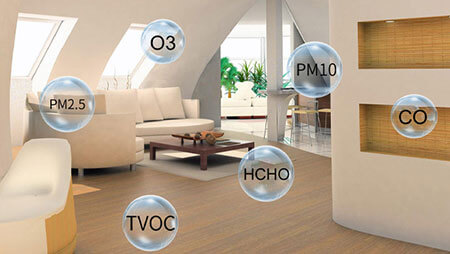
- Air Quality: In environments with poor air quality, such as areas with high levels of dust, smoke, or industrial pollutants, RT pre-filters tend to become clogged more quickly. This means they need to be replaced or cleaned more often compared to those used in cleaner environments.
- Pollen and Pet Dander: Homes or businesses located in areas with a lot of pollen, or those with pets, will also see RT pre-filters getting dirty faster. Pet dander is particularly fine and can accumulate quickly on filters.
2. Airflow:
- HVAC System Usage: Continuous operation of HVAC systems increases the volume of air passing through the pre-filter, leading to faster particle accumulation and reduced pre-filter lifespan.
- Airflow Rate: Higher airflow rates can carry more particles, which increases the load on the RT pre-filter. This can shorten its lifespan as it gets clogged faster.
3. RT Pre-filter Material:
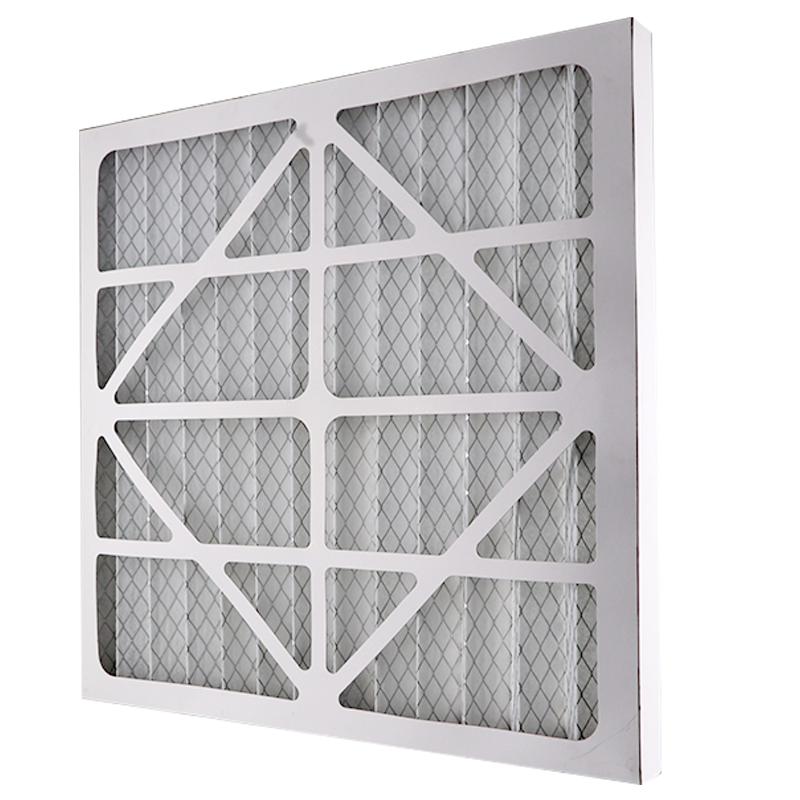
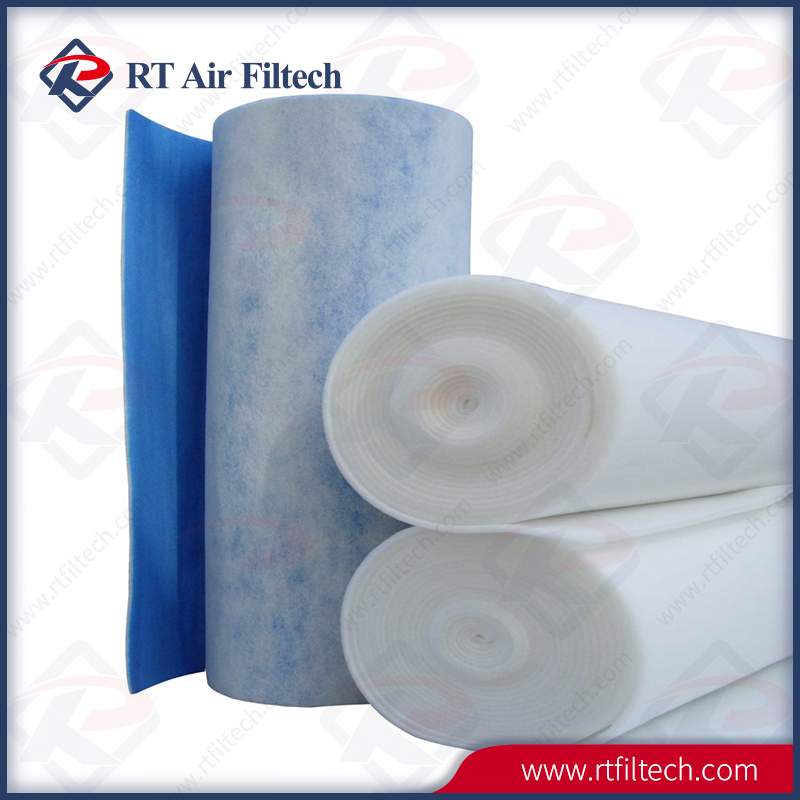
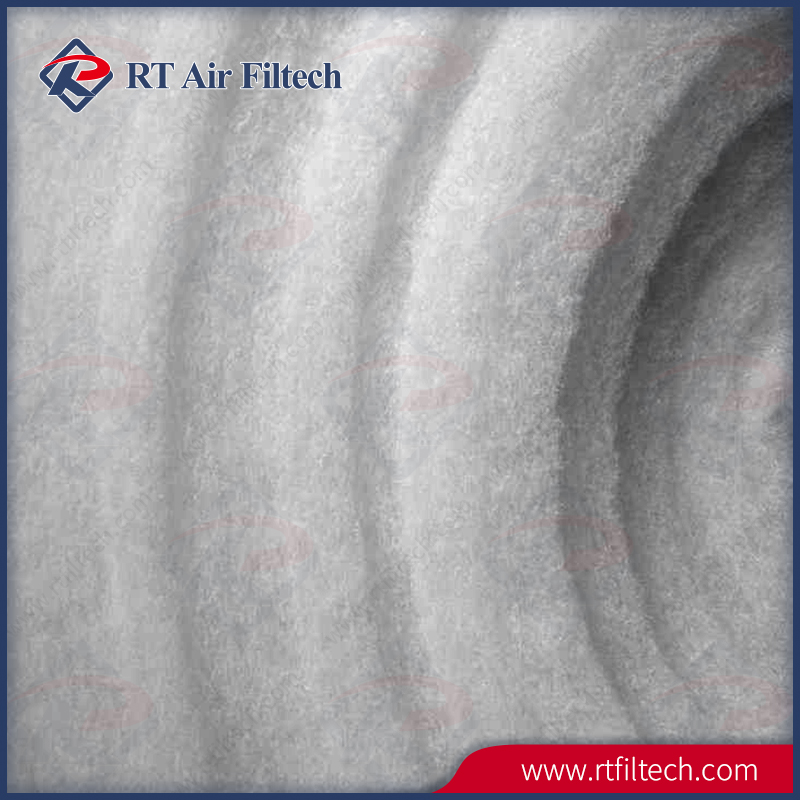
- Material Durability: The type of material used in the RT pre-filter plays a crucial role in how long it lasts. Some materials, like certain synthetic fibers, may be more resistant to clogging and can be cleaned and reused, while others, such as paper-based filters, may need to be replaced more frequently.
- Efficiency: Filters designed to capture smaller particles will clog faster but will also be more effective in improving air quality.
4. Filter Maintenance:
- Regular Inspection: Regularly checking the RT pre-filter for visible dirt and debris can help you determine when it needs cleaning or replacement. This can extend the filter's life and maintain the efficiency of your HVAC system.
- Cleaning: Some RT pre-filters are washable and can be cleaned to remove accumulated dust and dirt, extending their usability. However, not all RT pre-filters are washable, so it's important to follow the manufacturer’s instructions.
1. Residential Use:
- Lifespan: In a typical home, take the RT air filter as an example, the pre-filter usually lasts 3 to 6 months. This may vary depending on the number of occupants, the presence of pets, and the overall indoor air quality.
- Factors: Homes with several occupants, and pets, or located in areas with higher pollution levels may require more frequent replacement.
2. Commercial Use:
- Lifespan: In commercial environments, pre-filters often need to be replaced more frequently, with RT pre-filter for example typically having a life range of 1 to 3 months. However, in high-traffic areas, such as restaurants, hospitals, or industrial Settings, more frequent replacement may be required.
- Factors: The high volume of people and potential exposure to various contaminants in commercial spaces accelerates the clogging process, reducing the filter’s effective lifespan.
1. Decreased Airflow: If you notice that the airflow from your HVAC system has diminished, it could be due to a clogged pre-filter that is obstructing the air from passing through efficiently.
2. Increased Noise: A clogged pre-filter can cause your HVAC system to work harder to pull air through, which may result in unusual or increased noise levels from the system.
3. Higher Energy Bills: A dirty pre-filter can reduce the overall efficiency of your HVAC system, causing it to consume more energy to maintain the desired temperature, which can lead to a noticeable increase in your energy bills.
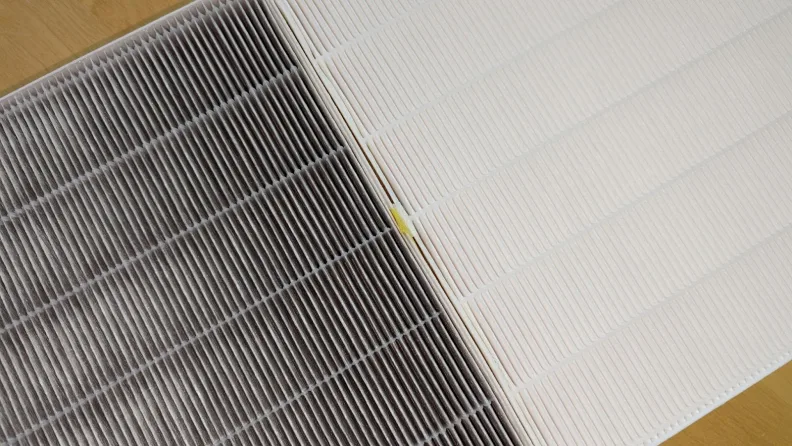
4. Visible Dirt or Debris: One of the most obvious signs is the visible accumulation of dirt and debris on the pre-filter. If it looks clogged or dirty, it’s time to clean or replace it.
3. Monitor Air Quality: Keeping track of the air quality in your home or business can also help you determine when to replace the pre-filter.
If you find that your pre-filters are clogging too quickly or you’re unsure about the best type of filter for your needs, it may be time to consult with a professional. They can help you choose the right pre-filter based on your specific environment and usage, ensuring that you get the most out of your HVAC system.
GUANGZHOU RT AIR FILTECH CO., LTD. is a professional air filter manufacturer and a one-stop air filter and filter raw material supplier.