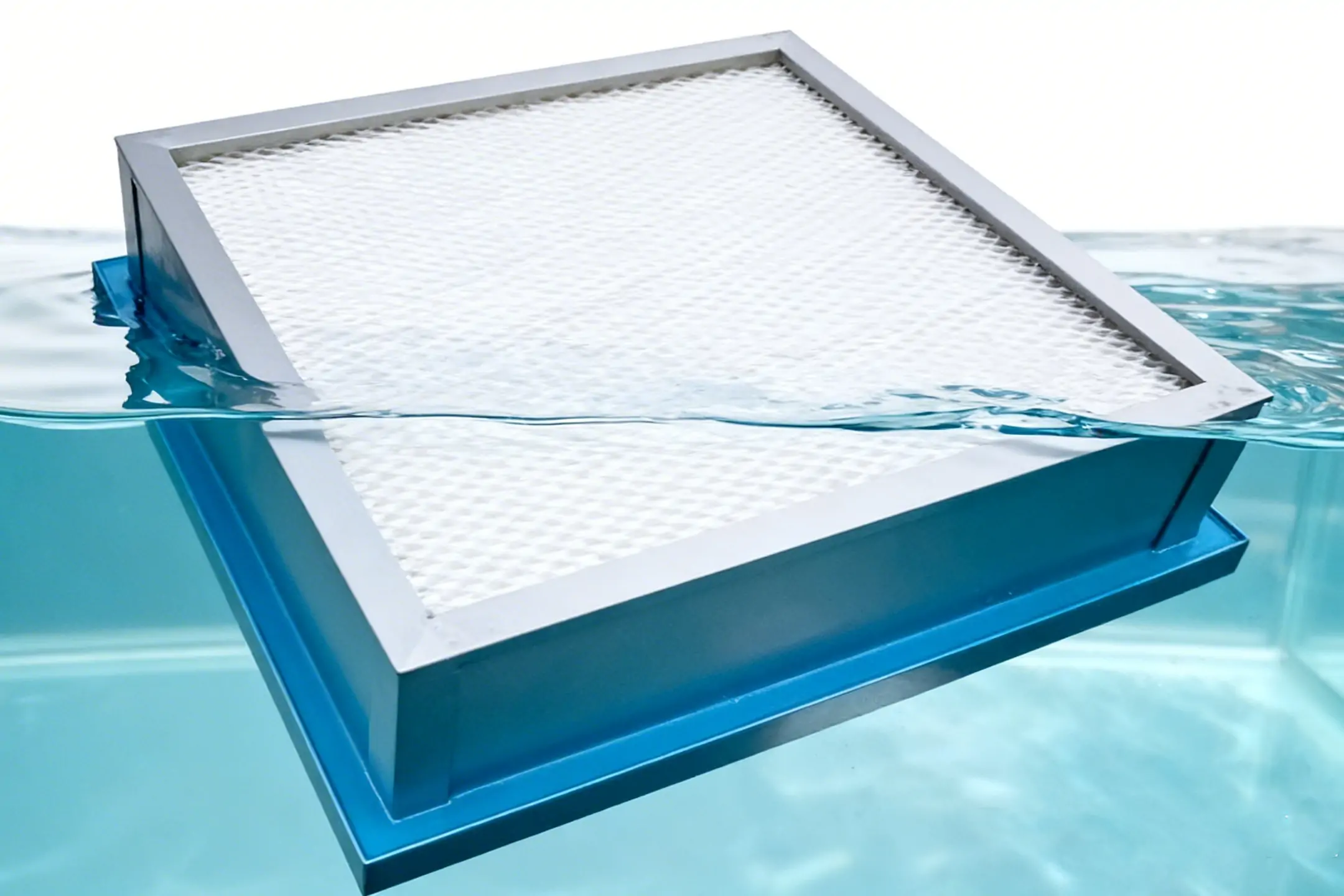
Factors To Consider When Choosing Air Filter
Choosing the right industrial air filter involves several key considerations to ensure optimal performance and efficiency. Here are the main factors to consider:
1. Identify Contaminants
Types of Contaminants: Determine the types of particles or gases you need to filter (e.g., dust, fumes, smoke, microorganisms).
This step is the basis for selecting a filter, as different types of contaminants have different requirements for filters. For example, for the pharmaceutical industry, high-efficiency filters (such as HEPA) may be required to ensure that the air is completely sterile; For the general industrial environment, you can choose medium or high-efficiency filters to meet the needs
Particle Size: Understand the size of the particles to select a filter with the appropriate efficiency.
The particle size directly affects the efficiency and applicability of the filter. For example, sand grains have a particle size of 0.3 to 60 microns, while dust mites have a particle size of 100 to 300 microns, and coffee beans can have a particle size of up to 400 microns. In addition, the filter's "most penetrating particle size" (MPPS) is a key measure of its performance and is often used to describe the particle size that the filter can capture at minimum efficiency

2. Filter Efficiency
MERV Rating: For particulate filters, check the Minimum Efficiency Reporting Value (MERV) rating, which ranges from 1 to 16. Higher ratings indicate better filtration.
HEPA/ULPA Filters: For extremely fine particles, consider High-Efficiency Particulate Air (HEPA) or Ultra-Low Penetration Air (ULPA) filters.
High-efficiency filters (such as HEPA) can capture more than 99.97% of 0.3-micron particles, while ultra-high efficiency filters (such as ULPA) can capture more than 99.9999% of 0.12 micron particles
3. Airflow Requirements
Airflow Rate: Ensure the filter can handle the required airflow rate (measured in CFM or m³/h) without causing a significant pressure drop. High pressure drops can lead to a reduction in system efficiency or increased energy consumption.
System Compatibility: Align the filter's specifications with your HVAC or ventilation system's capacity.
Size matching: The physical size of the filter must be compatible with the installation space of the device to avoid installation difficulties or air leakage owing to size discrepancies.
Performance matching: The filter efficiency, air capacity, and other parameters of the filter should be consistent with the system requirements to avoid using large-capacity components for small-scale applications.
4. Filter Media
Material: Choose the appropriate filter media (e.g., fiberglass, pleated fabric, activated carbon) based on the contaminants and operating conditions.
Durability: Consider the durability and lifespan of the filter media under your specific industrial environment.