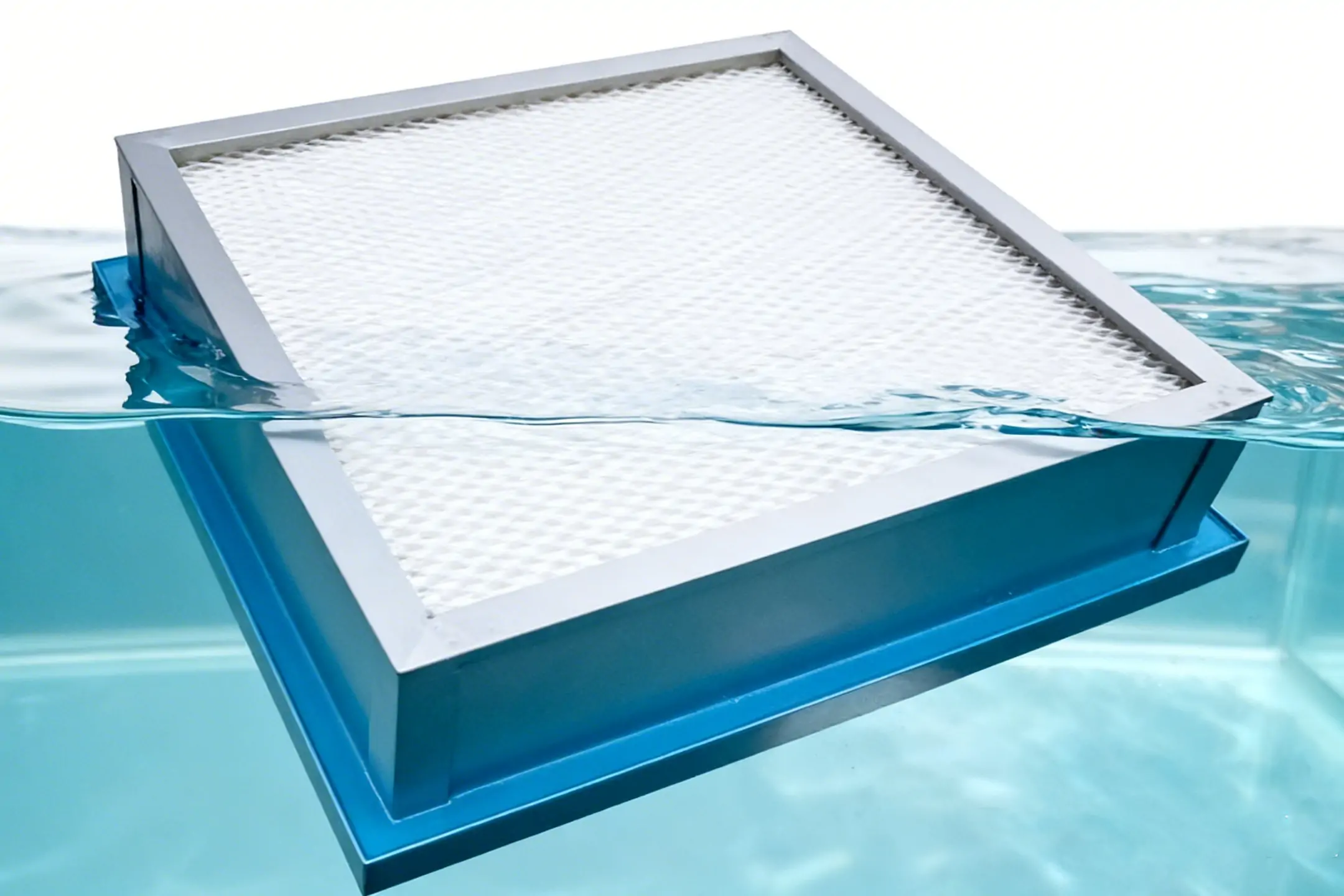
HVAC Air Filter Replacement Guide: 4 Key Benefits to Boost Efficiency & Save Money
HVAC Air Filter Replacement Guide: 4 Key Benefits to Boost Efficiency & Save Money
Regular HVAC air filter replacement is critical for maintaining system performance, indoor air quality (IAQ), and energy efficiency. Aligning with ASHRAE standards and EPA guidelines, here’s how consistent filter changes protect your HVAC system and reduce operational costs.
1. Improve Indoor Air Quality (IAQ)
Air filters trap airborne contaminants like pollen (≥5 μm), mold spores, pet dander, and bacteria, directly impacting occupant health. The ISO 16890 standard certifies filters that remove ≥99% of particulates, ensuring cleaner air.
- Recommendation: Replace filters every 60-90 days during peak usage (EPA) and inspect monthly.
- Risk of neglect: Dirty filters circulate pollutants, triggering allergies and respiratory issues.

2. Boost Energy Efficiency & Cut Costs
Clogged filters force HVAC systems to work harder, increasing energy consumption by 20-30% (DOE). A clean filter reduces strain on the blower motor, lowering monthly bills.
- Data: Systems with regular filter changes use 15% less energy (ASHRAE).
- Action: Pair filter replacement with ductwork cleaning for maximum efficiency.
3. Extend HVAC Lifespan
A clogged filter increases internal pressure, accelerating wear on components like compressors and motors.
- Cost savings: Preventative maintenance can delay HVAC replacement by 5-10 years.
- Example: A 300annualrepairbilldropsto50 with yearly filter changes.
4. Avoid Costly Repairs
Neglected filters lead to:
- Frozen coils (from restricted airflow)
- Blower motor failure (due to overheating)
- Fire hazards (dust buildup near heating elements)
Best Practices for HVAC Maintenance
- Schedule annual tune-ups to align with ASHRAE Standard 180.
- Monitor MERV ratings: Choose filters rated MERV 8-13 for residential spaces.