Laminar Flow Ceiling Air Filter in The Operating Room
Operating Room Laminar Flow Ceiling and Air Filter Technical Parameters
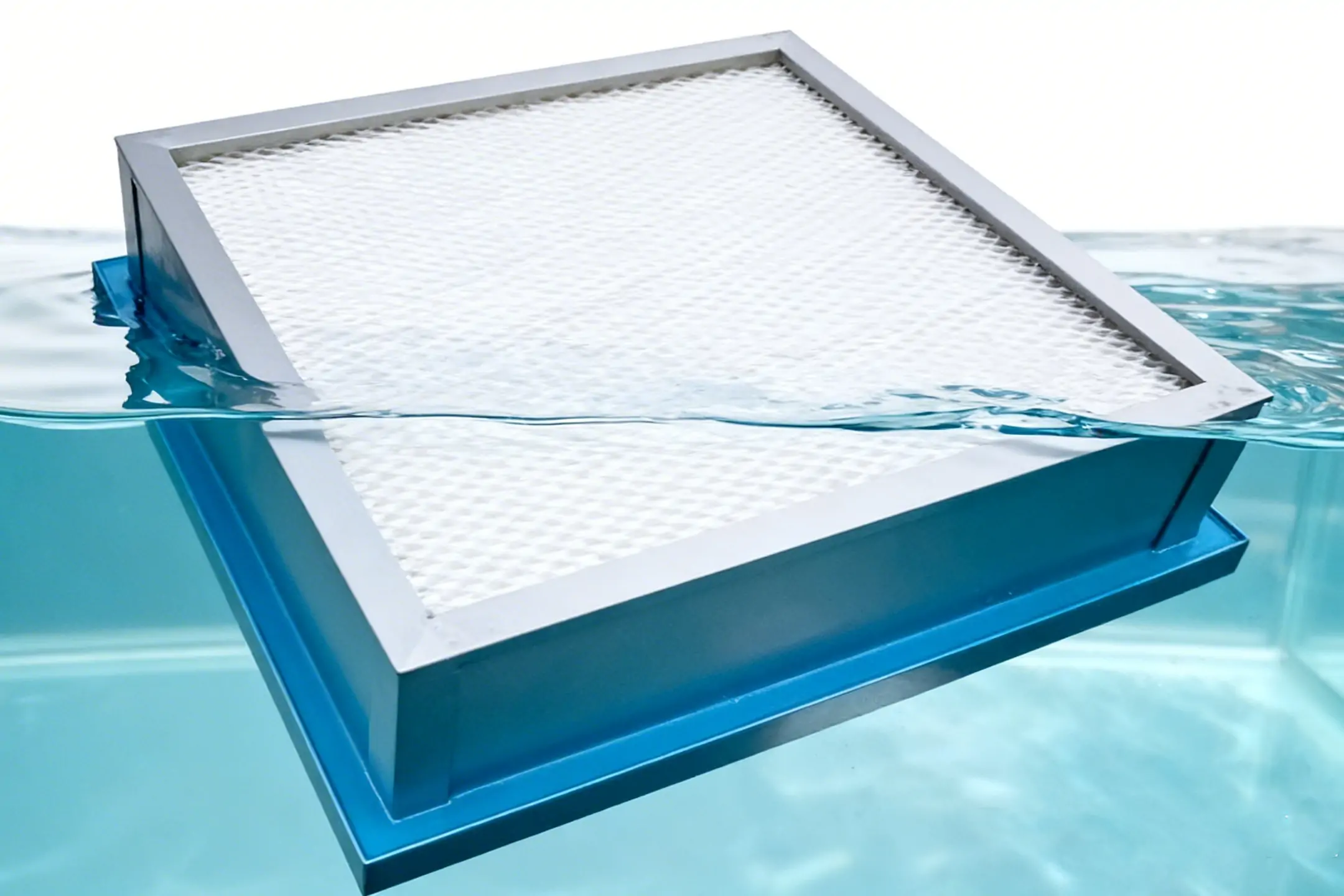
Technical parameters for operating room laminar flow ceilings and air filters include:
- Air Filter Type: Partitioned HEPA filter or combined HEPA filter.
- Usage Occasions: Class I has a special clean operating room, and Class II has a standard clean operating room.
- Air Filter Filtration Efficiency: 99.99%.
- Outlet Wind Speed: 0.45 m/s (Class I), 0.30 m/s (Class II), 0.23 m/s (Unspecified Class).
- Air Supply Surface Sizes: 2600×2400 mm, 2600×1800 mm, 2600×1400 mm.
Laminar Flow Ceiling Overview
The laminar flow ceiling represents the culmination of over ten years of experience and practical application of air supply terminals in operating rooms. This type of terminal has been implemented in nearly a thousand operating rooms. Its superior performance, combined with a unique double-layer DPP flow net, ensures even airflow distribution to the working area. Additionally, a central airflow compensation device effectively counteracts updrafts caused by heat generated from personnel and equipment, maintaining laminar flow.
The laminar flow air supply ceiling, also known as a clean air supply ceiling, serves as the purifying air supply terminal in clean operating rooms and laminar flow wards. Its key functions include high-efficiency filtration, flow distribution, and airflow compensation. The structural design of the laminar flow purifying air supply ceiling directly impacts the air supply effectiveness and the purification level within the operating room.
Working Principle
Working principle of the operating room laminar flow air supply ceiling (clean air supply ceiling): It comprises a high-efficiency air disinfection and filtration system, a fan power system, a noise reduction system, and an operation control system, among other components. During operation, the fan draws in ambient air, which is then filtered through the air purification and disinfection system to produce clean and sterile air. This clean air is delivered in a laminar flow to the operating area beneath the hood. Simultaneously, a positive pressure is maintained within the hood to prevent the ingress of external dust particles and microorganisms.

Increasing Demands for Cleanliness
The rapid advancement of modern medical science and technology has led to increasingly stringent requirements for the cleanliness of operating rooms in surgical procedures. Currently, a Class 100 laminar flow operating room is considered highly desirable. However, effectively managing airborne microbial counts in laminar flow operating rooms to meet air environmental hygiene standards set by the Ministry of Health, comply with clean operating room grade standards, and minimize these counts remains a key challenge. Limited domestic research exists on this topic, making it a pertinent area for further discussion in the management of clean operating rooms.