The Application of Air Filter in Dry Spray Booth
The application of air filter in dry spray booth is mainly reflected in its efficient filtration ability of paint mist, particulate matter and harmful gases, to ensure the safety of the spraying environment, improve work efficiency, and meet environmental protection requirements. The following details the application of air filters in dry spray booths from several aspects:
1. The basic structure and working principle of the dry spray booth
The dry spray booth is usually composed of a chamber system, a make-up air filtration system, a paint mist separation and filtration system, a suction and exhaust system, a paint recovery device, and an exhaust gas treatment device. The filtration system is a key part of this and is used to capture the paint mist and particulate matter generated during the spraying process. Through inertial separation technology, the dry filter uses filter fibers to change the direction of airflow, so that particles are adsorbed on the filter material, to achieve efficient filtration.
2. The overall structure of the dry paint booth
The dry paint booth usually consists of multiple functional areas, including fresh air filtration, paint booth, static pressure chamber, and constant temperature control system. The dry filter is located before the paint booth and is used to intercept the paint mist particles. For example, the Figure shows a schematic diagram of the construction of a dry paint booth, where the first layer is a dry carton filter chamber for paint mist treatment.
3. Types and Functions of Filters
Commonly used filters in dry spray booths include labyrinth dry filter paper, DPA paint mist filter, HEPA filter, etc. Labyrinth dry filter paper can effectively intercept oversprayed particles by changing the direction of airflow many times. The DPA paint mist filter is made of special synthetic fiber material, which has high filtration efficiency and a large filtration area, and is suitable for spraying high solid content coatings. HEPA filters are used to further purify the air and ensure that the exhaust gases meet environmental standards.
The following is a detailed description of several filters commonly used in dry spray booths and their characteristics.
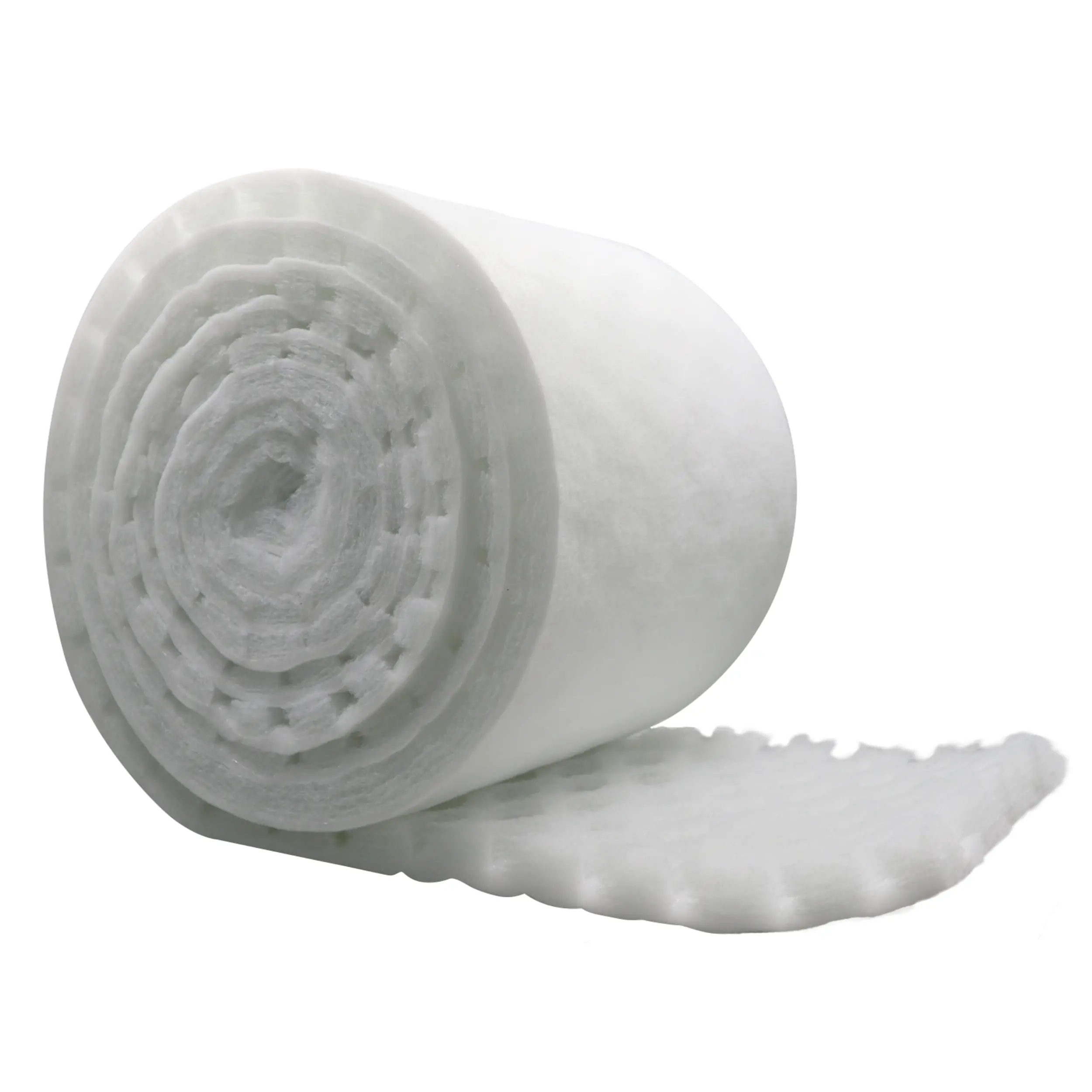
DPA Paint Mist Filter
DPA Paint Mist Filter is a new type of environmentally friendly filter made of special synthetic fiber material, which has an efficient paint mist capture ability. Its 3D diamond dot design significantly increases the filtration surface area, making it efficient at up to 99.8% and capable of intercepting many types of paint mist and particulate matter, such as solid coatings, powder coatings, and water-based coatings. In addition, the DPA paint mist filter has an initial pressure drop of only 14Pa, a service life of up to 30 days, and a single bag of paint mist absorption capacity of up to 22kg, which is very suitable for spray booth modification scenarios where space is limited.
- DPA Dry Carton Mist Filters offer the following advantages:
- Reduce solid waste generation: The environmentally friendly carton is equipped with 3D synthetic paint mist cotton, which can be directly incinerated after use
- Reduce the cost of use: easy and quick installation
- Improve filtration efficiency: professional design, firm sealing, no side leakage
- Extended service life: A single carton filter can capture 16kg of overspray paint
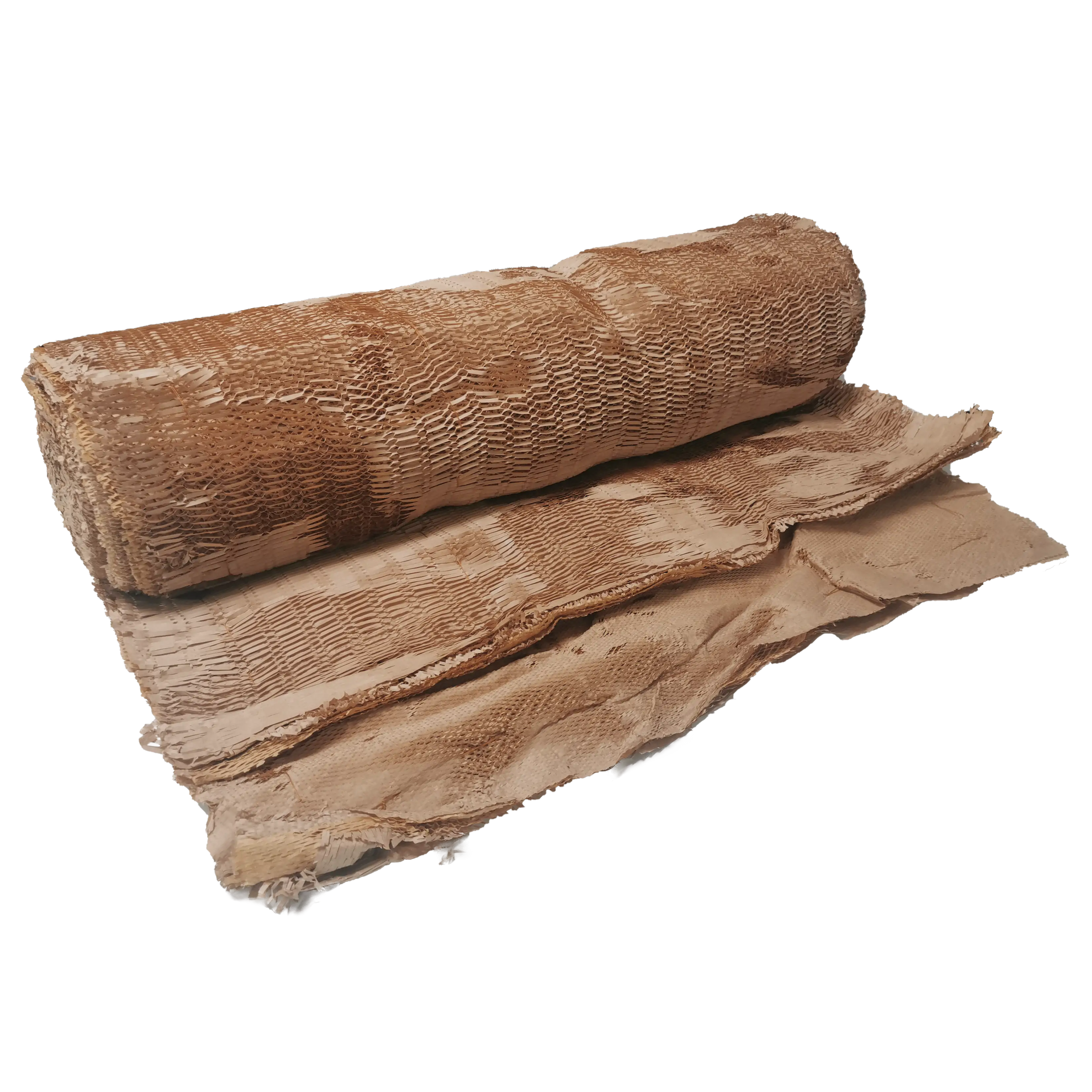
Labyrinth Dry Filter
Labyrinth dry filter is a multi-layer paper filter that uses airflow to effectively absorb oversprayed paint mist and make particles adhere to the paper wall. This filter is environmentally friendly, avoids water contamination problems, and has a bearing capacity of 3 to 5 times that of other types of filters, and can remove paint mist with an efficiency of more than 90%.
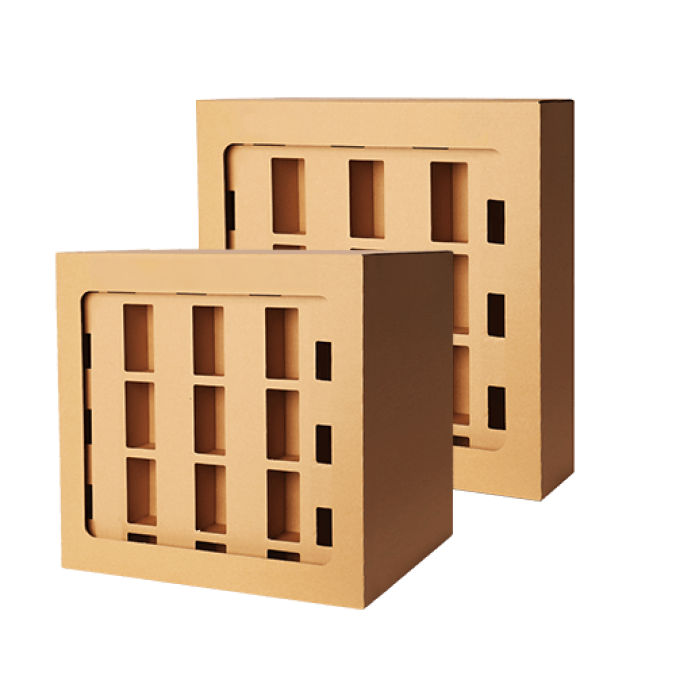
Dry carton paint mist filter
Dry carton paint mist filter combines the characteristics of traditional air filter and environmentally friendly carton, and has the advantages of easy installation, large dust holding capacity, and high cost performance. For example, the paint mist filter carton launched by RT Air Filtech has a filtration efficiency of up to 99% and can significantly reduce the burden of subsequent primary filters. This filter is suitable for a wide range of spraying environments, especially in high-demand scenarios such as large automotive production lines.
Dry louver booth filter
Dry louver booth filter achieves primary and secondary filtration functions through louver design. The primary filter captures most of the paint mist, while the secondary filter further removes the remaining particulate matter. The filters are easy to clean and replace, and are made of reusable SUS material.
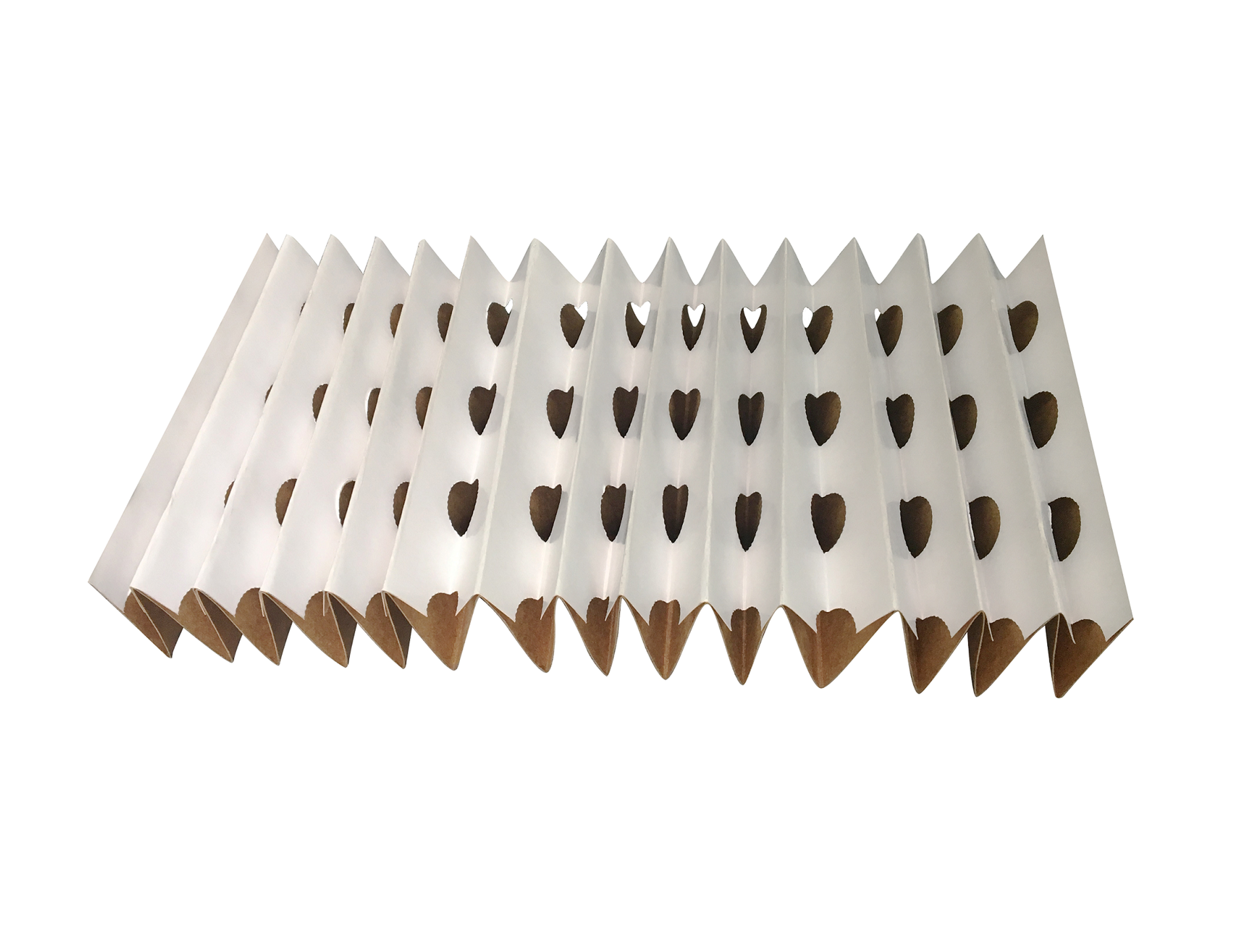
Three-stage dry filter box
The three-stage dry filter box usually includes primary, intermediate, and high-efficiency three-stage filters, and the purification efficiency can reach more than 99%. This filtration system uses inertial separation technology to redirect particles and adhere to the baffle walls, resulting in efficient dust removal.
Venturi Trap
The Venturi trap is a highly efficient exhaust gas treatment device that adsorbs paint mist into the filter cartridge by negative pressure and then cleans the ash by pulsed compressed air. This equipment is suitable for processing scenarios with high air volume and high concentration of paint mist.
Activated carbon adsorption filter
Activated carbon adsorption filter is mainly used to remove organic pollutants (such as VOCs) in the exhaust gas, and achieve the purification effect through the adsorption effect of activated carbon. This filter is often used as an end-of-treatment device in conjunction with a paint mist filter.
Special Filtration System for Negative Pressure Dry Spray Booth
The negative pressure dry spray booth forms a negative pressure environment in the spray booth by means that the air supply volume is less than the exhaust air volume, so as to reduce the impact of overflow gas on the environment. Such systems are usually equipped with high-efficiency filtration devices to ensure that the exhaust gases meet environmental requirements.
Positive pressure dry spray booth special filtration system
Positive pressure dry spray booth forms a positive pressure environment in the spray booth by means that the air supply volume is greater than the exhaust air volume, so as to prevent the outside air from entering. This system is typically used for spraying in environments that require high cleanliness.
Composite Double-Layer Air Filter
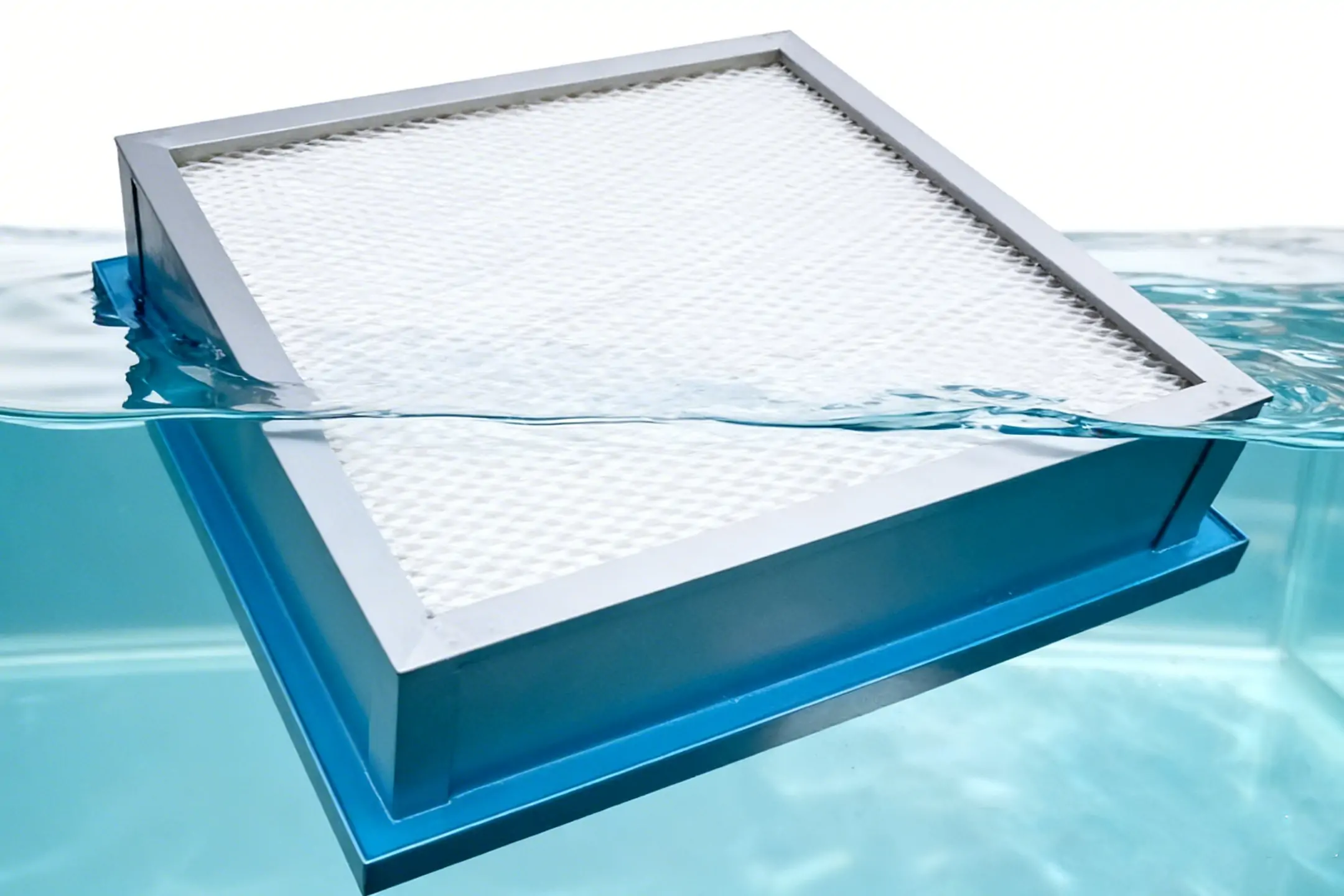
This composite double-layer air filter combines the functions of a HEPA filter and an activated carbon filter and is suitable for coating circulation air and exhaust air purification. Its dirt holding capacity and accuracy are better than ordinary single-layer filters.
4. Advantages and Challenges of Dry Booths
Dry booths have the following advantages over wet booths:
- Eco-friendly: No wastewater treatment system is required, reducing water consumption and chemical use while reducing VOCs emissions.
- Energy efficiency: The circulating air system can recycle the purified air back into the spray booth, and the recycling ratio is as high as 80%-90%, significantly reducing energy consumption.
- Maintenance costs: Dry spray booths have low operating costs because they are simple and do not require complex wastewater treatment equipment.
However, dry spray booths also face some challenges:
- Space constraints: Placing an efficient paint mist filter in a limited space may affect the exhaust effect.
- Frequency of media replacement: Some types of filters, such as V-Mist Filter Paper, are prone to clogging and require frequent media replacement.
5. Environmental protection and economic benefits
The dry spray booth adopts a design that does not discharge wastewater or waste liquids, which meets the requirements of modern environmental protection policies. Compared to wet booths, dry booths consume less energy and reduce water use and chemical addition, reducing operating costs. In addition, an efficient filtration system reduces paint waste and increases coating efficiency.
6. Applicable scenarios and installation methods
Dry spray booths are widely used in automobile manufacturing, furniture production, mechanical parts processing, and other fields. Depending on the space conditions, the filter can be installed on the side wall, at the bottom of the grille plate, or directly inside the spray booth. For example, in confined spaces, DPA bag paint mist filters can be selected to increase paint capture and ventilation.
7. Technology Improvements & Case Studies
With the development of technology, new dry paint mist filters are emerging. For example, the Eco Dry Scrubber system uses lime powder to adsorb paint mist particles and combines it with a HEPA filter to achieve almost 100% filtration efficiency. DPA paint mist filter has been widely used in Europe and the United States because of its efficient collection ability and environmental protection characteristics. In addition, some companies have further optimized the spraying process by transforming the wet spray booth into a dry spray booth.
8. Safety & Health Protection
The air quality in a dry booth has a direct impact on the health of workers. High-efficiency air filters can effectively reduce the concentration of harmful particles and VOCs, and prevent workers from inhaling harmful substances. In the UK, for example, paint booths must comply with the Control of Hazardous Substances Regulations (COSHH) and the Workplace Health and Safety Act, which impose strict requirements on air quality.
9. Maintenance & Replacement
In order to ensure the long-term stable operation of the filtration system, it is necessary to regularly inspect and replace the filter material. For example, labyrinth dry filter paper needs to be cleaned or replaced regularly to prevent clogging and affecting the exhaust effect; DPA paint mist filters need to be adjusted according to the differential pressure and air speed according to the usage.
The use of air filters in dry spray booths not only improves spraying quality and efficiency but also significantly reduces environmental pollution and operating costs. With the proper selection and maintenance of filters, the overall performance and safety of a dry spray booth can be further improved.