What air filter materials are washable
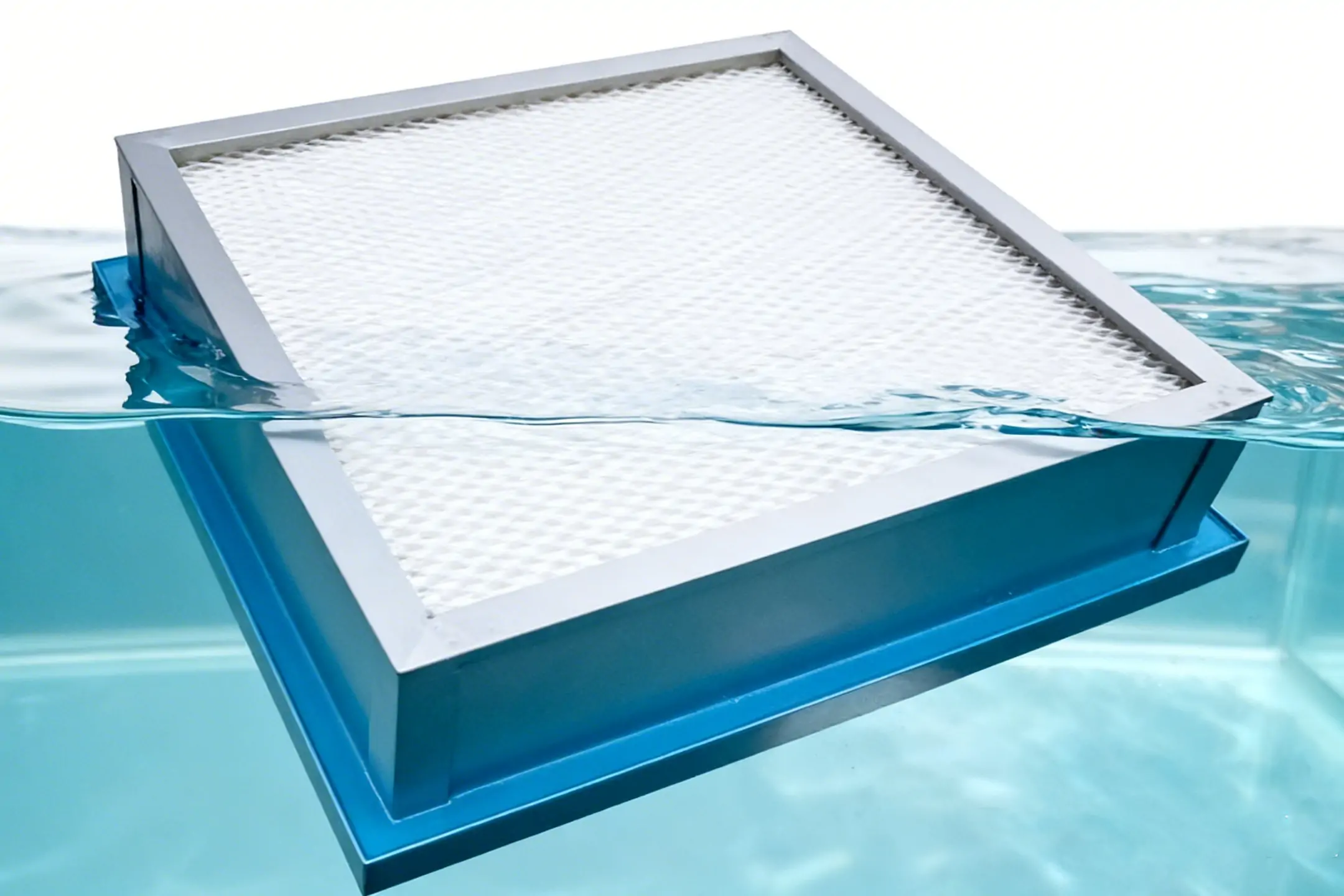
Traditional air filters face challenges such as frequent replacement, high consumable costs, waste disposal burdens, and inconvenient maintenance. It is precisely because of these pain points that the concept of washable reuse has begun to gain widespread attention. This article will delve into what washable air filter materials are available.
What filter media can be washed?
Washability is more common and practical in primary filters. For medium-efficiency and higher precision filtration, washing is generally not recommended.
-
Nylon Mesh / Plastic Woven Mesh
This is one of the most common primary filtration materials, typically woven from monofilament or multifilament nylon/PP/PE plastic fibers. It features larger pore sizes, a robust structure, and corrosion resistance. It exhibits excellent washability, allowing repeated rinsing with water and even mild detergents. It dries quickly.
Applications: Primarily used to intercept large dust particles, hair, lint, insects, etc. Often serves as a pre-filter in air conditioning systems and ventilation equipment.
-
Metal Mesh / Aluminum Foil Mesh
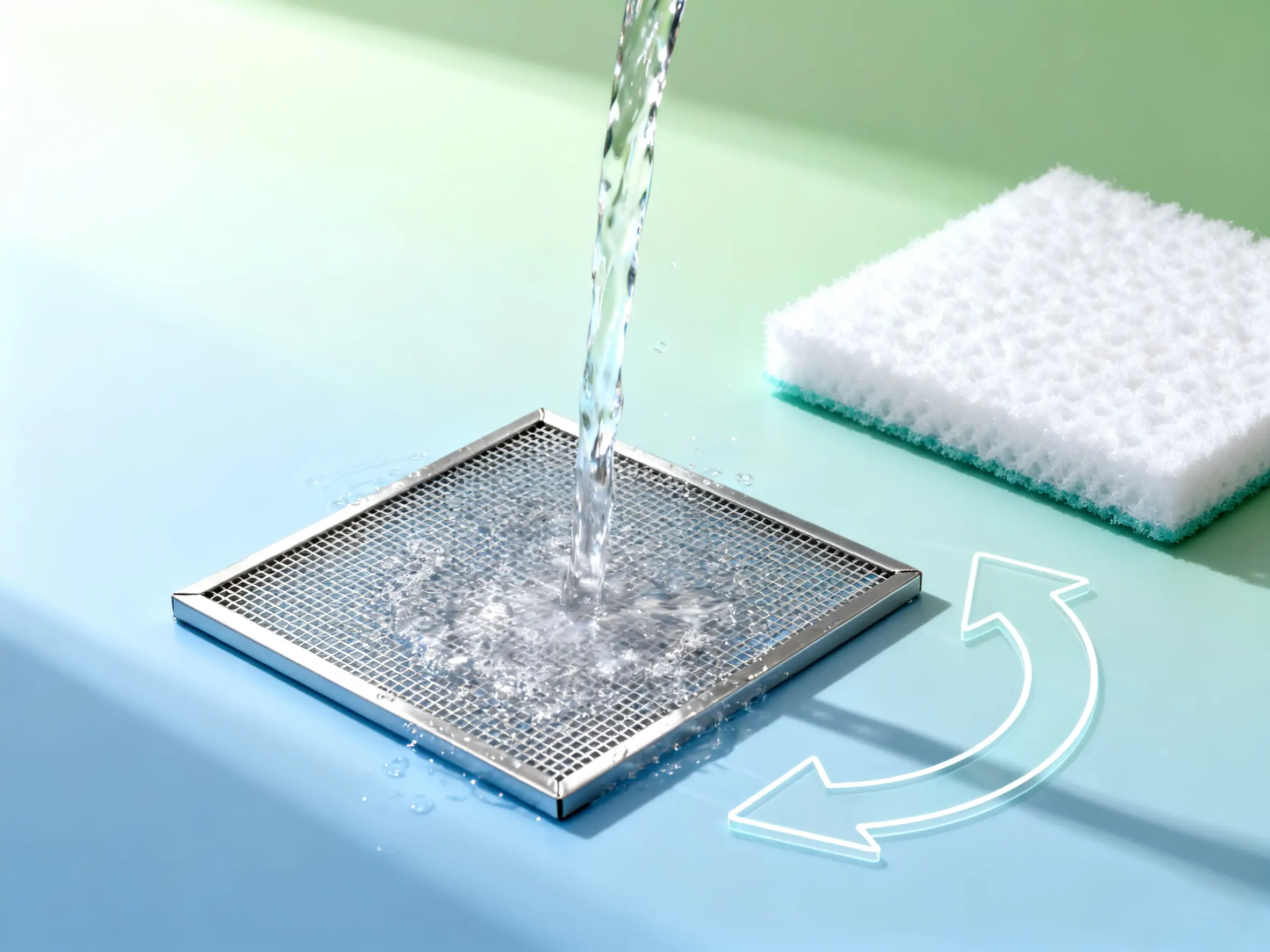
Constructed from multiple layers of expanded aluminum foil mesh, stainless steel mesh, or galvanized iron mesh stacked to form interlaced channels. Offers excellent flame retardancy, high-temperature resistance, and corrosion resistance. Exceptionally washable. Highly durable, capable of withstanding direct high-pressure water jet cleaning or even degreaser treatment; reusable after drying.
Applications: Primary filtration, particularly effective in environments with heavy oil mist, water mist, or high temperatures, kitchen fume purification, pre-filtration for industrial spray coating and drying lines.
-
Polyurethane Foam/ PET Cotton
Features open-cell or closed-cell structures, with adjustable porosity and filtration precision achieved through modified foaming processes. Lightweight and resilient in texture. Excellent washability. It can be squeezed and rinsed, but thorough drying is essential to prevent bacterial growth. Repeated washing may cause minor structural changes; typically, 2-3 washes suffice.
Applications: Primary filtration, ventilation system air intakes, dust protection for small electronic devices, etc.
-
Needle-punched Non-woven Fabric
Typically made by interweaving polyester (PET), polypropylene (PP), or other synthetic fibers through a needle-punching process. This technique causes the fibers to interlock, forming a dense and robust structure without chemical adhesives. It offers high mechanical strength, a certain thickness and loft, enabling it to capture substantial amounts of dust and providing relatively large dust-holding capacity. Excellent washability makes it a typical washable filter material. However, the number of wash cycles remains limited; it is not infinitely reusable. As the number of washes increases, filtration efficiency and dust-holding capacity may gradually decrease.
Applications: Widely used in various ventilation systems, central air conditioning units, and industrial dust collection equipment as pre-filtration or primary filtration stages. Many filter bags in Pocket filters (medium efficiency) are made from needle-punched felt.
Applications of Washable Air Filter Materials in the Food Service Industry
The application of washable air filtration materials in the food service industry primarily focuses on two key scenarios: pre-filtration in ventilation systems and grease filtration in kitchen equipment. Leveraging their reusable, washable properties, these materials address the frequent accumulation of dust, grease, fibers, and other contaminants in food service environments, reducing maintenance costs while ensuring air hygiene.
1. Pre-filtration in Food Service Venue Ventilation Systems
Ventilation systems in the food service industry must process large volumes of air containing cooking fumes, dust, food fibers, and microorganisms. Washable primary air filters—such as metal mesh filter cloth, synthetic fiber filter cloth, and needle-punched cotton—serve as the first line of defense. They intercept particles ≥5μm, preventing them from entering subsequent high-efficiency filters or HVAC systems and reducing internal dust accumulation. These filter materials feature washability and high dust-holding capacity. Surface contaminants can be removed by rinsing with clean water or using a neutral detergent, allowing reuse after drying. This effectively reduces maintenance frequency and costs for ventilation systems. Applications include supply air systems in restaurant dining areas, kitchens, and food processing workshops, as well as pre-filtration for centralized ventilation and air conditioning systems in large commercial buildings.
2. Grease Filtration for Range Hoods and Ventilation Hoods
Cooking fumes in kitchens contain substantial grease, particulates, and odors that readily adhere to equipment surfaces or filter screens, diminishing efficiency and fostering bacterial growth. Washable metal mesh filters or PTFE membrane composite filter media serve as primary filtration components for kitchen equipment, intercepting oil droplets and solid impurities ≥1μm in diameter. These materials feature strong hydrophobicity and corrosion resistance, allowing grease removal via hot water rinsing or specialized cleaners to restore filtration performance.
3. Pre-filtration for Food Processing Workshop Air Purification
Food processing workshops for baking, dairy, meat products, beverage production, etc., demand extremely high air cleanliness to prevent dust and microbial contamination of food. Washable G3 or G4 grade polyester fiber filter cotton serves as pre-filtration in workshop air purification systems, capturing airborne particles like dust, fibers, and pollen to protect the normal operation of subsequent H11-H14 grade high-efficiency filters. These filter materials feature mold-resistant and antibacterial treatment to inhibit bacterial growth while maintaining washability, making them suitable for the humid environments of food processing facilities. Regular washing extends filter lifespan, reduces air contamination risks, and meets the hygiene standards of the food industry.
About RT
As a specialized manufacturer deeply rooted in the air filtration industry, we consistently prioritize customer needs. We not only focus on developing high-performance washable air filtration materials—encompassing diverse categories such as synthetic fibers, PTFE materials, and metal mesh—but also possess comprehensive end-to-end service capabilities. This includes customization of core filtration materials, accessory adaptation (such as frames, sealing strips, and fan interlock components), and the integrated molding of finished filters. Whether upgrading pre-filtration systems for commercial kitchens or implementing precise clean air control in food processing facilities, we deliver tailored solutions—from material selection and structural design to sample testing, mass production, and post-sales maintenance—to help clients reduce costs, boost efficiency, and safeguard every breath of clean, safe air. Choosing us means selecting not just reliable products, but a long-term partner who understands filtration and understands your needs.