What is the PAO Test?
What is the PAO Test?
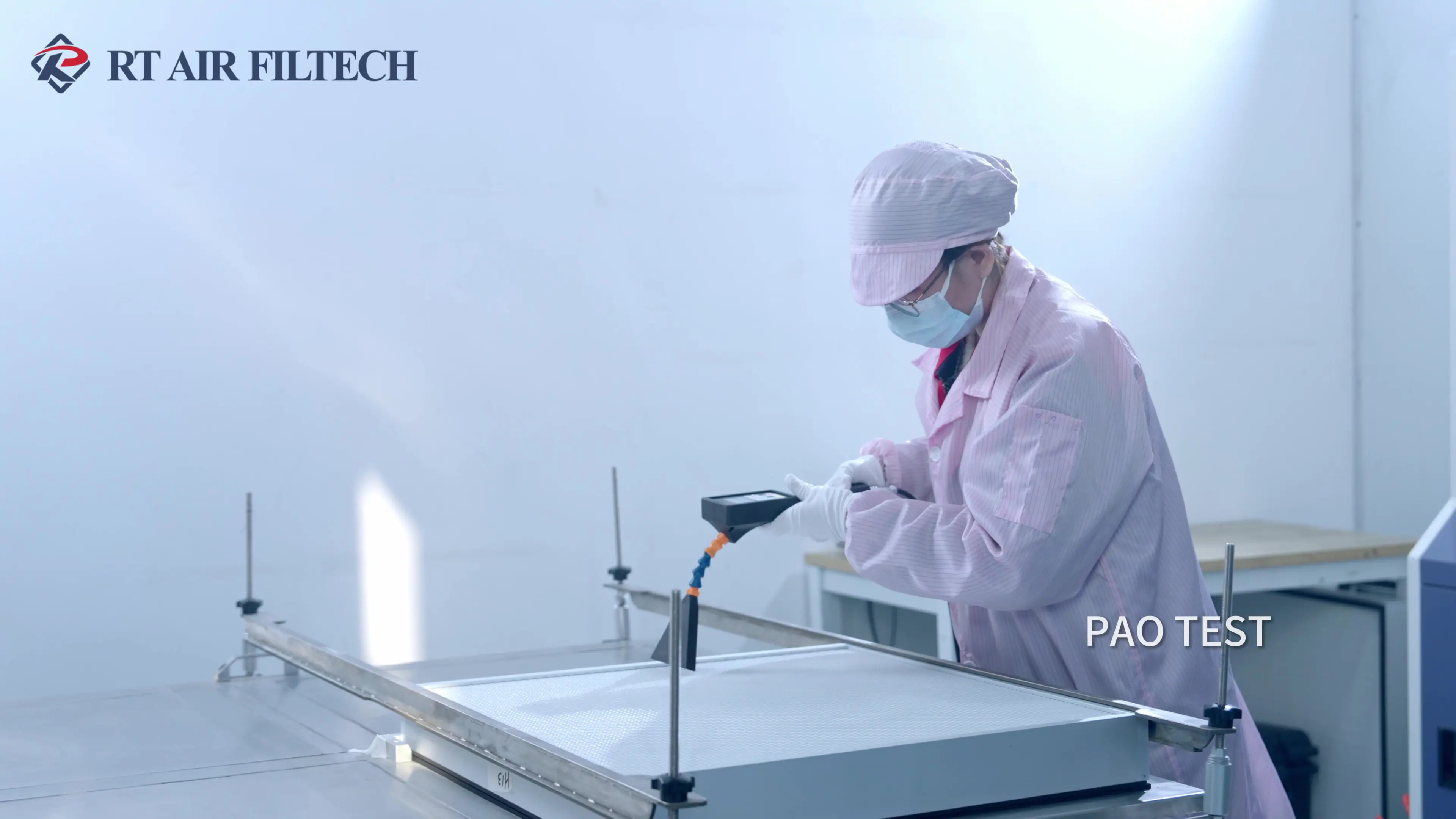
The PAO test (PolyAlphaOlefin test) is a standard method for evaluating the integrity and efficiency of HEPA filters and ULPA filters. This test involves aerosolizing PolyAlphaOlefin (PAO) particles and measuring their penetration through the filter to verify it meets required performance standards.
PAO testing is essential in industries such as pharmaceuticals, healthcare facilities, cleanrooms, and HVAC systems where air filtration quality is critical for contamination control and regulatory compliance.
What is PAO Used For?
PAO is a synthetic oil primarily used in filter integrity testing for several key applications:
- HEPA/ULPA filter certification - Ensures filters meet ISO 14644-3 and EN 1822 standards
- Leak detection - Identifies gaps or breaches in filter media or sealing
- Cleanroom validation - Confirms air filtration efficiency in controlled environments
- HVAC system performance verification - Checks that air handling units maintain required particle retention
PAO is the preferred testing material because it produces consistent, stable aerosol particles (0.1-0.3 µm), is non-toxic and safe for sensitive environments, and can be easily detected with laser particle counters or photometers.
What is PAO testing in HVAC?
In Heating, Ventilation, and HVAC systems, PAO testing serves several important functions:
- HEPA filter integrity verification - Ensures no leaks in critical areas like hospital operating rooms, laboratories, or manufacturing cleanrooms
- Regulatory compliance - Required by FDA, EU GMP, and ISO 14644 standards
- System optimization - Identifies clogged or damaged filters that could reduce system performance
The testing process involves three key steps:
- PAO aerosol is introduced upstream of the filter
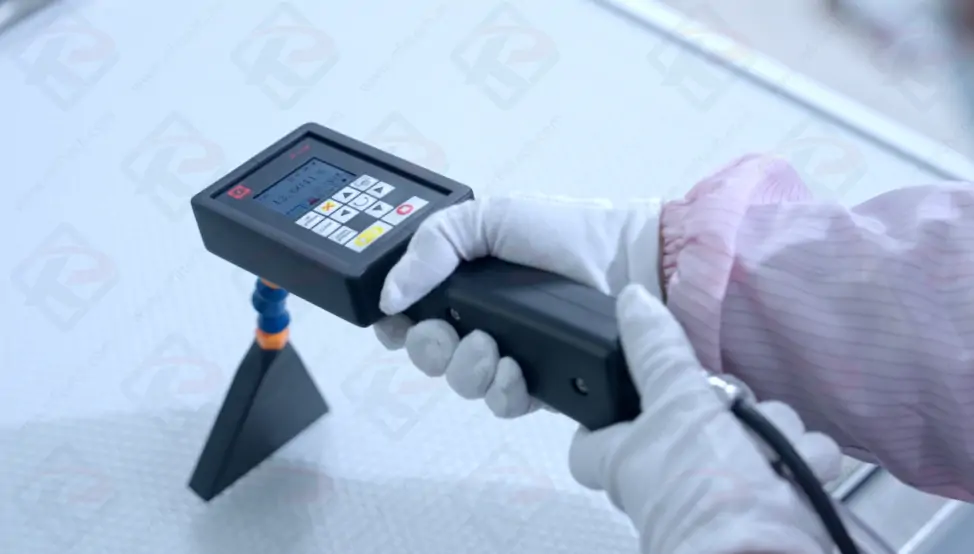
- A particle counter measures the downstream particle concentration
- If leakage exceeds 0.01% (for HEPA) or 0.005% (for ULPA), the filter fails the test
What is the Difference Between DOP test and PAO test?
While both Dioctyl Phthalate (DOP) and PolyAlphaOlefin (PAO) are used for filter integrity testing, they have significant differences:
| Feature | PAO Test | DOP Test |
|---|---|---|
| Chemical Type | Synthetic oil (PolyAlphaOlefin) | Plasticizer (Dioctyl Phthalate) |
| Safety | Non-toxic, safe for most environments | Potentially harmful (carcinogenic concerns) |
| Particle Size | 0.1-0.3 µm | 0.3-0.7 µm |
| Regulatory Acceptance | Preferred in pharmaceutical, healthcare, and modern HVAC applications | Being phased out due to toxicity concerns |
| Detection Method | Laser particle counters, photometers | Same, but requires more safety precautions |
Key Takeaway: PAO has become the preferred testing material due to its safety profile and regulatory acceptance, while DOP is being phased out in many industries due to health concerns.
How Does a Filter Integrity Test Work?
Filter integrity tests (including PAO, DOP, and MPPS) are critical for ensuring filters perform as intended. The testing process typically involves several methods:
1. Aerosol Challenge Test (PAO/DOP)
- A PAO or DOP aerosol is generated upstream of the filter
- A particle counter scans downstream for leaks
- Pass criteria:
- HEPA filters must block ≥99.97% of 0.3µm particles (leakage <0.03%)
- ULPA filters must block ≥99.999% of 0.12µm particles (leakage <0.001%)
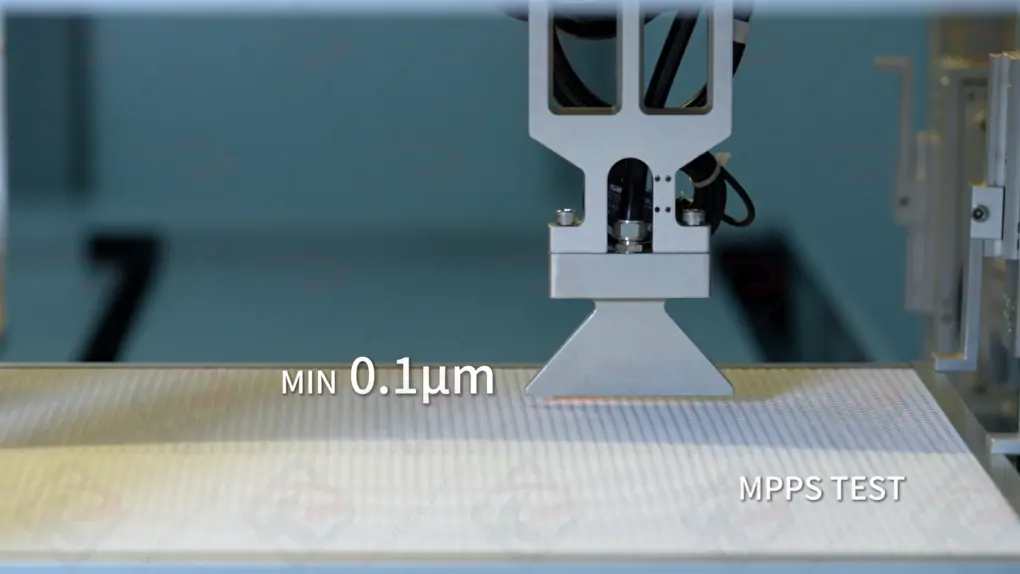
2. MPPS Test (Most Penetrating Particle Size)
- Measures filter efficiency at the hardest-to-capture particle size (typically 0.1-0.2µm)
- Required by EN 1822 for HEPA/ULPA classification
3. Pressure Drop Test
- Checks if the filter is clogged by measuring airflow resistance
- Helps determine when filter replacement is needed
These tests are essential in various industries, including:
- Hospitals and pharmaceutical manufacturing (ISO 14644, EU GMP)
- Research laboratories and cleanrooms
- Semiconductor manufacturing facilities
- HVAC system maintenance programs
Your Trusted Partner for PAO Test for HEPA Filter - RT Air Filtech
Why Choose RT Air Filtech for Your Filter Testing Needs?
As a professional one-stop air filter manufacturer, RT Air Filtech maintains 100% quality control standards with our advanced testing capabilities:
- State-of-the-art Testing Equipment - We possess both PAO test and MPPS test machines for comprehensive filter evaluation
- Complete Testing Services - From initial production samples to batch quality control, we test every filter to ensure compliance
- Detailed Test Reports - Each filter comes with professional test documentation verifying its performance
- Industry Compliance - Our testing procedures meet all relevant ISO, EN, and GMP standards
- Expert Technical Support - Our team provides guidance on testing protocols and filter selection
We understand that reliable filtration is critical to your operations. That's why we invest in the most advanced testing technology and maintain rigorous quality standards for every filter we produce.