Why Manufacturers Without HEPA Filters Are Being Phased Out
Why are manufacturers without HEPA filters losing competitiveness?
Manufacturers without HEPA filters are losing competitiveness primarily due to the increasing consumer demand for high-quality air purification solutions.
HEPA (High-Efficiency Particulate Air) filters are recognized for their ability to capture 99.97% of particles that are 0.3 microns in size, making them a gold standard in air filtration. As awareness of air quality issues grows, consumers are more inclined to invest in products that ensure cleaner air, particularly in the wake of health concerns related to airborne pollutants and allergens.
Companies that do not offer HEPA filtration may be perceived as providing inferior products, leading to a decline in market share.
Furthermore, regulatory bodies and health organizations are increasingly recommending HEPA filtration in various settings, including homes, schools, and workplaces, which further pressures manufacturers to adapt or risk obsolescence.
Additionally, the marketing strategies of competitors often emphasize the presence of HEPA filters, creating a perception that products without them are less effective.
This trend is compounded by the rise of eco-conscious consumers who prioritize sustainability; HEPA filters, while effective, can also lead to higher energy consumption and costs. Manufacturers that fail to innovate and incorporate HEPA technology may find themselves unable to meet the evolving expectations of consumers, ultimately losing their competitive edge in the market.

What are HEPA filters and why are they considered the gold standard in air purification?
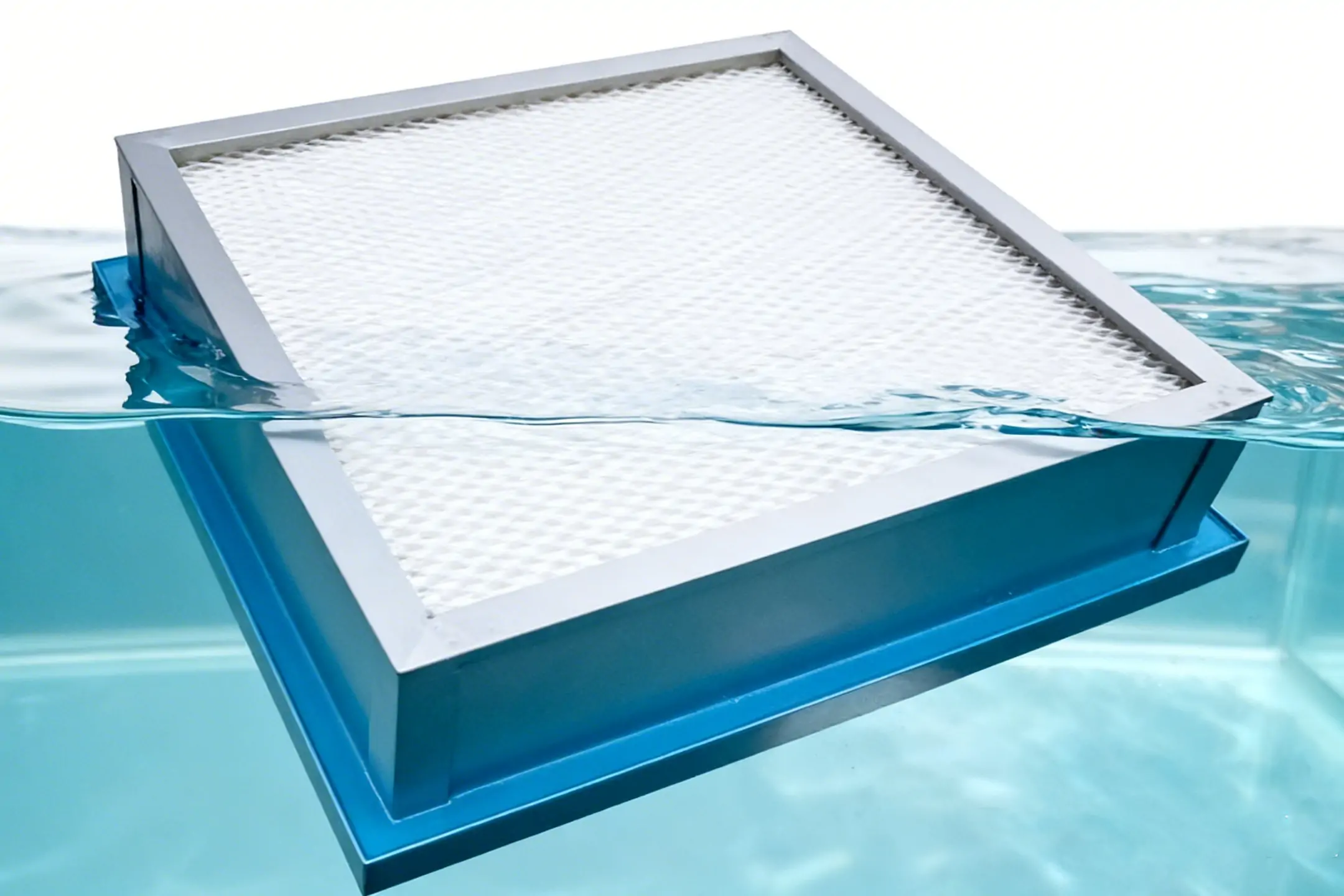
HEPA filters, or High-Efficiency Particulate Air filters, are specialized air filters designed to capture very small particles from the air. They are defined by their ability to remove at least 99.97% of airborne particles that are 0.3 microns in size. This includes common allergens like dust mites, pollen, pet dander, mold spores, and even some bacteria and viruses.
HEPA filters are considered the gold standard in air purification for several reasons:
- Efficiency: Their high particle capture rate makes them extremely effective in improving indoor air quality by significantly reducing the concentration of harmful airborne particles.
- Health Benefits: By removing allergens and pollutants, HEPA filters can help reduce respiratory issues, allergies, and other health problems related to poor air quality.
- Wide Application: They are used in a variety of settings, including homes, hospitals, laboratories, and commercial spaces, demonstrating their versatility and effectiveness in maintaining clean air.
- Regulatory Compliance: Many industries and regulatory standards recognize HEPA filters as essential for ensuring clean air environments, particularly in healthcare and industrial applications.
- Consumer Confidence: Products equipped with HEPA filters are often viewed as higher quality and more reliable, giving manufacturers that utilize this technology a competitive edge in the market.

What regulations are driving the adoption of HEPA filters in various industries?
The adoption of HEPA filters across various industries is driven by regulations and standards that aim to ensure air quality and protect public health. Some key regulations include:
- OSHA Standards: The Occupational Safety and Health Administration (OSHA) in the United States mandates certain air quality standards in workplaces, particularly in environments where hazardous materials are processed or handled. HEPA filters can help meet these standards by controlling particulate matter.
- FDA Regulations: In industries such as pharmaceuticals and biotechnology, the U.S. Food and Drug Administration (FDA) requires stringent controls over the manufacturing environment to prevent contamination. HEPA filters are often a critical component of cleanrooms and controlled environments where drugs and medical devices are produced.
- CDC Guidelines: The Centers for Disease Control and Prevention (CDC) has established guidelines for infection control in healthcare settings, including the use of HEPA filters in areas where patients with infectious diseases are treated.
- ISO Standards: The International Organization for Standardization (ISO) has several standards (like ISO 14644) that require specific cleanliness levels in controlled environments. HEPA filters are integral to achieving these cleanliness levels in various settings.
- ASHRAE Standards: The American Society of Heating, Refrigerating and Air-Conditioning Engineers (ASHRAE) has guidelines and standards that recommend the use of HEPA filters in HVAC systems to improve indoor air quality and protect occupants.
- Environmental Regulations: Various environmental regulations focus on air quality and pollution control, further compelling industries to implement effective air filtration systems, including HEPA filters, to reduce the release of harmful particles.
- Building Codes: Many building codes and guidelines for new constructions, especially in hospitals and laboratories, include the use of HEPA filtration systems to ensure a safe and healthy environment for occupants.
These regulations reflect a growing recognition of the importance of clean air in various sectors, including healthcare, manufacturing, and food production, driving the widespread adoption of HEPA filters.

What risks do companies face without upgrading to HEPA filtration?
Companies that delay upgrading to HEPA-level filtration in industrial environments take on a set of very real operational and commercial risks:
- Compliance and regulatory exposure
Many industries—especially pharmaceuticals, electronics, and healthcare—are increasingly aligned with standards tied to high-efficiency filtration. Without systems meeting benchmarks like ISO 29463, companies may fail audits, lose certifications, or be excluded from regulated markets. - Loss of high-value contracts
Global buyers and OEM partners often require proven filtration performance. If a supplier cannot demonstrate capability with an industrial HEPA filter, they may be disqualified early in the procurement process. - Product quality instability
Fine particles can directly impact sensitive production processes. Without HEPA filtration, contamination risks increase—leading to defects, batch failures, or inconsistent output, particularly in precision manufacturing. - Higher long-term operating costs
At first glance, avoiding upgrades saves money. In reality, contamination-related downtime, rework, and waste often cost far more than investing in a proper HEPA air filter system from the start. - Competitive disadvantage
Leading manufacturers are already working with certified Eurovent Certification Company or ISO-based filtration systems. Companies without these capabilities are increasingly seen as outdated or lower-tier suppliers. - Brand and credibility damage
In industrial markets, trust is built on performance and verification. If filtration-related issues arise, it can harm reputation and weaken long-term customer relationships.

What should buyers look for in a reliable HEPA filter manufacturer?
When seeking a reliable HEPA filter manufacturer, buyers should consider several key factors to ensure they are investing in quality products.
First, look for certifications and standards compliance. A reputable manufacturer will have filters that meet or exceed the HEPA standard, which requires the filter to capture at least 99.97% of particles that are 0.3 microns in size.
Second, evaluate the manufacturer's reputation and experience in the industry. Established companies with a long history in air filtration are more likely to produce reliable products. Customer reviews and testimonials can provide insights into the performance and durability of their filters.
Third, consider the range of products offered. A manufacturer that provides a variety of HEPA filters for different applications—such as residential, commercial, and industrial—demonstrates expertise and versatility in air filtration solutions.
Lastly, assess the manufacturer's customer service and support. A reliable manufacturer should offer clear guidance on product selection, installation, and maintenance, as well as a warranty or satisfaction guarantee. This level of support can be crucial for buyers who may need assistance after their purchase.
Why choose RT Air Filtech?
RT Air Filtech reinforces its global credibility through internationally recognized certifications, including ISO 29463 and ISO 16890, verified by Eurofins in collaboration with Blue Heaven Technologies. In addition, its products meet regulatory requirements aligned with the U.S. Food and Drug Administration, with certification issued by Eurber.
This combination of third-party validation and regulatory alignment demonstrates RT Air Filtech's commitment to consistent performance, international compliance, and reliable filtration solutions for demanding global applications.
Contact us for more information