Why Water Treatment Plants Require HEPA Air Filters
What are the primary sources of air contamination in water treatment facilities?
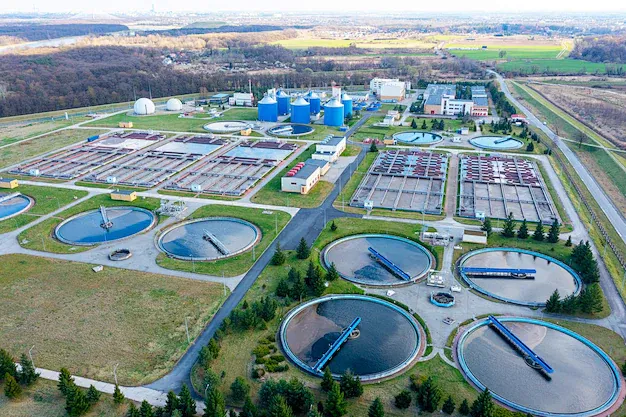
In water treatment environments, air contamination poses several significant challenges that can affect both the quality of water and the health of personnel. The primary sources of air contamination in water treatment facilities include:
- Chemical Storage and Handling: The use of chemicals for disinfection (e.g., chlorine, ozone) and flocculation can release volatile organic compounds (VOCs) and hazardous gases into the air.
- Aeration Processes: During aeration, air is introduced into water to foster biological processes, which can release odors and contaminants from the water into the atmosphere.
- Wastewater Treatment Operations: Treatment processes such as anaerobic digestion and sludge handling can produce unpleasant odors, pathogens, and aerosols that may contaminate the air.
- Mechanical Equipment: Pumps, blowers, and other mechanical systems can generate particulate matter and volatile substances, contributing to air quality issues.
- Construction and Maintenance Activities: Ongoing construction or maintenance can release dust and other particulate matter into the air.
- Nearby Industrial Activities: Proximity to industrial sites can introduce additional airborne pollutants, such as heavy metals and industrial emissions, affecting the air quality at water treatment facilities.
- Biological Emissions: Biological processes, particularly those involving microbial growth in treated wastewater, can emit odors and pathogens into the air.
These sources require effective management and monitoring strategies to mitigate air quality issues and ensure both employee safety and the integrity of the water treatment process.

Why is a HEPA air filter critical for protecting key treatment processes?
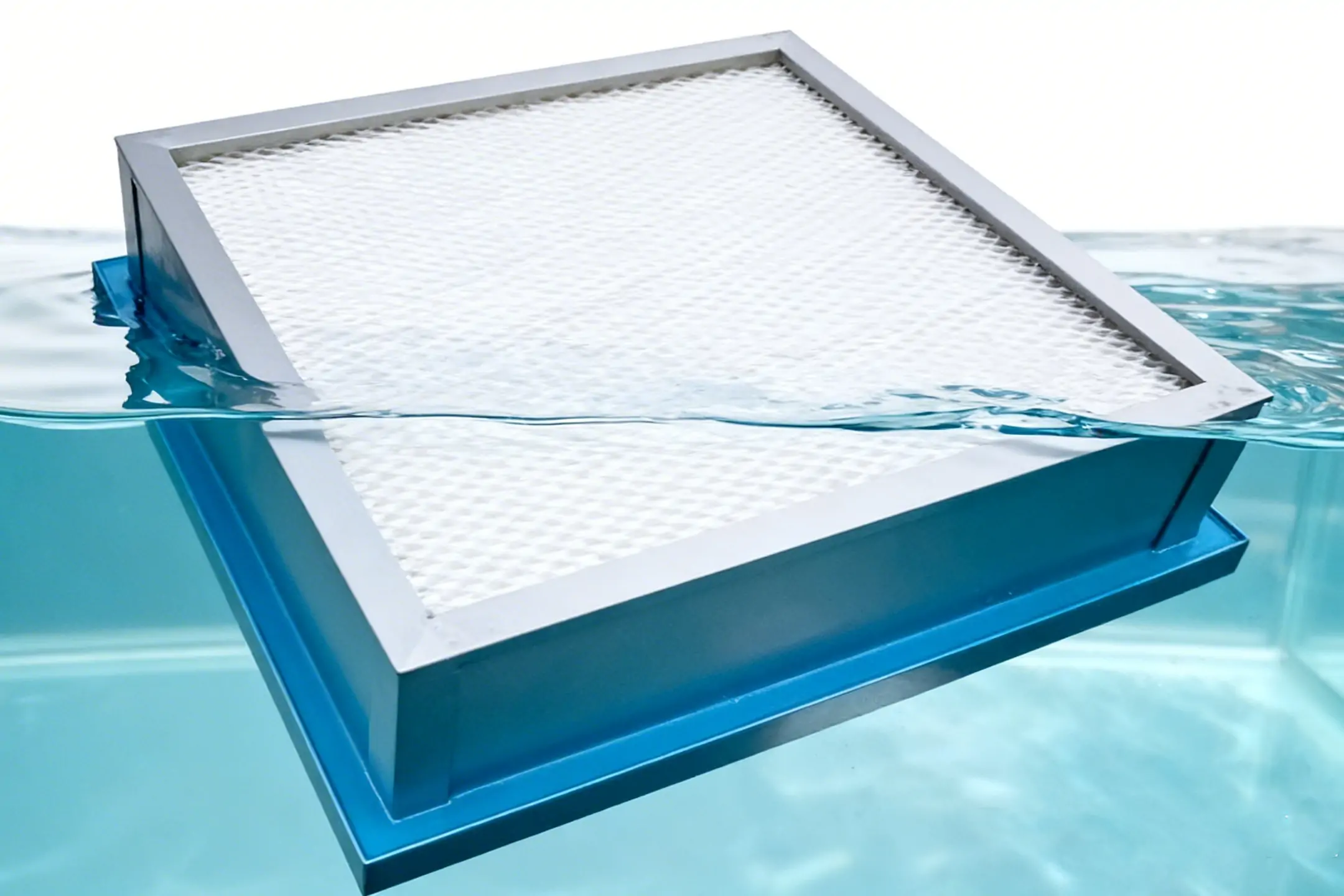
HEPA (High-Efficiency Particulate Air) filters are critical for protecting key water treatment processes due to their exceptional ability to remove airborne contaminants that can compromise water quality. In water treatment facilities, maintaining a sterile environment is essential to prevent the introduction of pathogens and pollutants that could contaminate the water supply.
HEPA filters are designed to capture at least 99.97% of particles as small as 0.3 microns, including bacteria, mold spores, and dust, which are common threats in water treatment settings. By filtering out these harmful particles, HEPA filters help ensure that the air used in various processes, such as chemical dosing and filtration, remains clean and free from contaminants that could adversely affect water quality.
Furthermore, the presence of airborne pathogens can lead to biofilm formation in water systems, which can create additional challenges in maintaining water purity. The use of HEPA filters not only protects the water treatment processes but also enhances the overall safety and reliability of the water supply, ensuring compliance with health regulations and standards.

Which areas in a water treatment plant require HEPA-level filtration?
In water treatment facilities, HEPA-level filtration is required in zones where airborne particulate control is critical to process integrity and system performance. Laboratory environments depend on a HEPA air filter to maintain controlled conditions for accurate analytical testing and to prevent cross-contamination. Chemical dosing and storage areas benefit from an industrial HEPA filter to limit particulate ingress that could interfere with reaction stability or introduce impurities into the treatment process.
Maintenance and equipment servicing zones also require controlled filtration to reduce particulate accumulation on mechanical components, which can lead to premature wear or system inefficiencies. Additionally, control rooms and instrumentation areas must be protected with HEPA filtration to ensure the reliability of sensitive electronic systems and monitoring equipment.
A qualified HEPA filter manufacturer can provide application-specific solutions that meet performance standards such as ISO 29463, ensuring consistent filtration efficiency and system compatibility across critical plant environments.
| Area | Why HEPA Filtration Is Needed | Recommended Solution |
|---|---|---|
| Laboratory | Prevent contamination affecting test accuracy | High-efficiency HEPA air filter |
| Chemical Feed Room | Avoid particulate interference in dosing processes | Industrial HEPA filter with chemical resistance |
| Maintenance Area | Reduce dust impacting equipment performance | Durable HEPA filtration system |
| Control Room | Protect sensitive instruments and electronics | Stable, low-pressure-drop HEPA filter |
How can a HEPA filter manufacturer support water treatment projects?
A professional HEPA filter manufacturer plays a critical role in ensuring that water treatment projects achieve reliable and compliant filtration performance. By providing application-specific HEPA air filter solutions, manufacturers can address the unique environmental and operational challenges found in different areas of a plant, from laboratories to chemical processing zones.
Through remote consultation, our engineering team assists clients in selecting the appropriate HEPA air filter based on project requirements such as airflow, efficiency, and system compatibility. We also support filtration system planning by reviewing drawings, application conditions, and installation environments to ensure the correct use of each industrial HEPA filter.
In addition, we offer customized product solutions, adapting filter dimensions, materials, and configurations to match different HVAC systems and operational needs. All products are manufactured in accordance with international standards such as ISO 29463, ensuring consistent and verified performance.
With stable production capacity and international logistics experience, we ensure timely delivery and continuous supply for replacement and maintenance. This allows clients to access high-efficiency filtration solutions with professional support—regardless of project location.
| Support Area | Why HEPA Filtration Is Needed |
|---|---|
| System Design | Airflow calculation, filter selection |
| Customization | Size, material, sealing options |
| Testing | Efficiency and leak validation |
| Support | Remote consultation and guidance |
Customized HEPA Filter Solutions
In modern water treatment facilities, controlling airborne contamination is no longer optional but a key factor in ensuring stable operations and consistent performance. Implementing a properly designed HEPA air filter system in critical areas helps reduce risk, protect sensitive processes, and support long-term reliability.
By working with an experienced HEPA filter manufacturer, operators can access not only high-quality industrial HEPA filter solutions but also the technical support needed to apply them effectively. As project requirements continue to evolve, investing in proven filtration strategies ensures that water treatment plants remain efficient, compliant, and prepared for future demands.
We supply:
- Mini pleated H14 HEPA filters
- Deep pleated H14 HEPA filters
- V Bank H14 HEPA filters
- Customized airflow design
- OEM manufacturing support