Can Air Filter Get Wet?
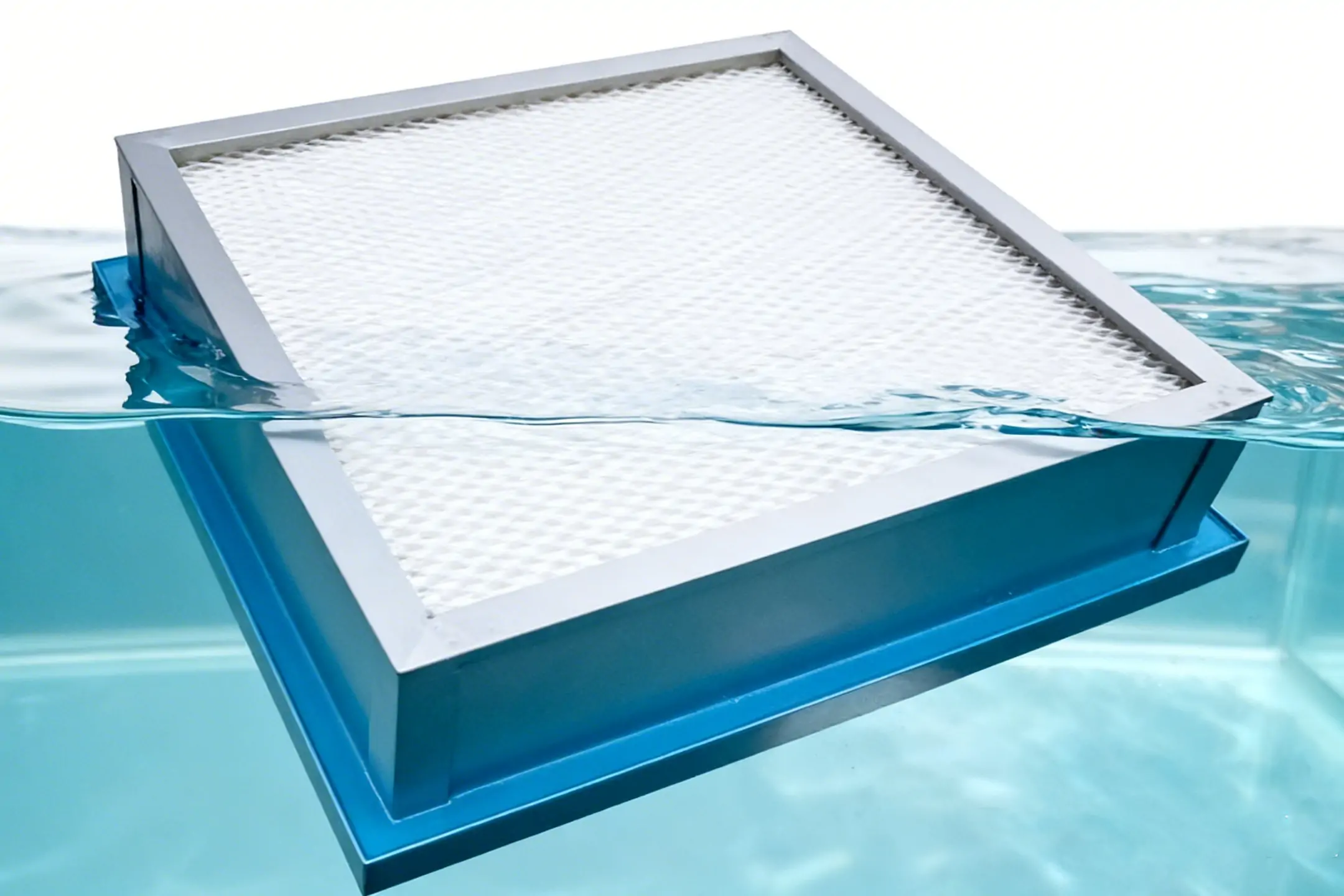
Yes, air filters can get wet, but it's generally not advisable.
The Risks, and Countermeasures of a Wet Air Filter
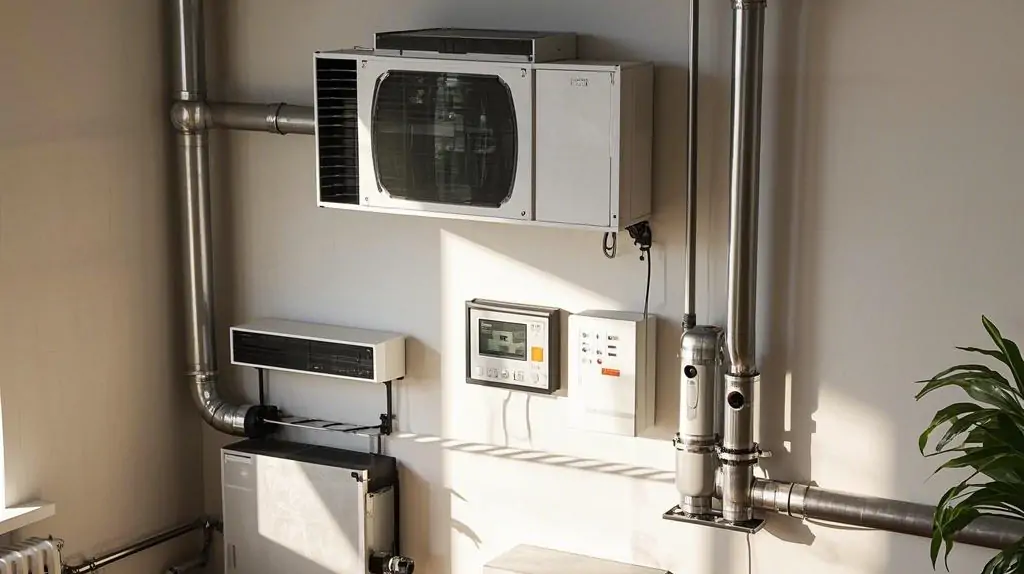
Air filters play a crucial role in many systems, especially in HVAC (Heating, Ventilation, and Air Conditioning) systems and automotive engines. They are mainly responsible for cleaning the passing air and effectively removing various particles such as dust, dirt, and pollen. This is decisive for maintaining the efficiency, performance of the systems, and air quality. However, when an air filter gets wet, it can cause many adverse consequences.
The harm of air filters by moisture
(1) Reduced Efficiency
Once an air filter gets wet, the filter medium becomes saturated with water, increasing its weight and changing its texture, thus severely obstructing the airflow. In an HVAC system, a reduction in airflow makes the equipment work harder to maintain the set temperature. This not only significantly increases energy consumption and drives up utility bills but also causes components like motors and compressors to wear out prematurely due to overwork. In automotive applications, when the airflow through a wet air filter is reduced, the engine cannot obtain the ideal air-fuel ratio, making it prone to misfires, decreased power output, and increased emissions.
(2) Mold Growth
A damp environment creates excellent conditions for mold growth. The combination of organic substances in the air filter and moisture accelerates mold reproduction. Mold spreads through tiny spores, and once people inhale these spores, they face health risks. For people suffering from respiratory diseases such as asthma or chronic obstructive pulmonary disease (COPD), mold spores can exacerbate symptoms, leading to increased wheezing, coughing, and breathing difficulties.

(3) Engine Damage (for Automotive Air Filters)
If an automotive air filter gets soaked, water can easily enter the engine, which may cause serious damage to the engine. The engine requires clean and dry air for the combustion process during operation. Once water enters, it disrupts the normal combustion and triggers a series of mechanical failures, resulting in high repair costs.
(4) Blockage
After an air filter absorbs moisture, it becomes more likely to adsorb dust, dirt, and other particles, leading to a wet accumulation phenomenon and rapid debris buildup, greatly increasing the risk of blockage. In an HVAC system, a blocked filter makes the system operate more difficult, further increasing energy costs and even potentially causing system shutdown. Moreover, a clogged filter may trigger the system's safety mechanism, causing the system to shut down automatically to avoid overheating or damage.
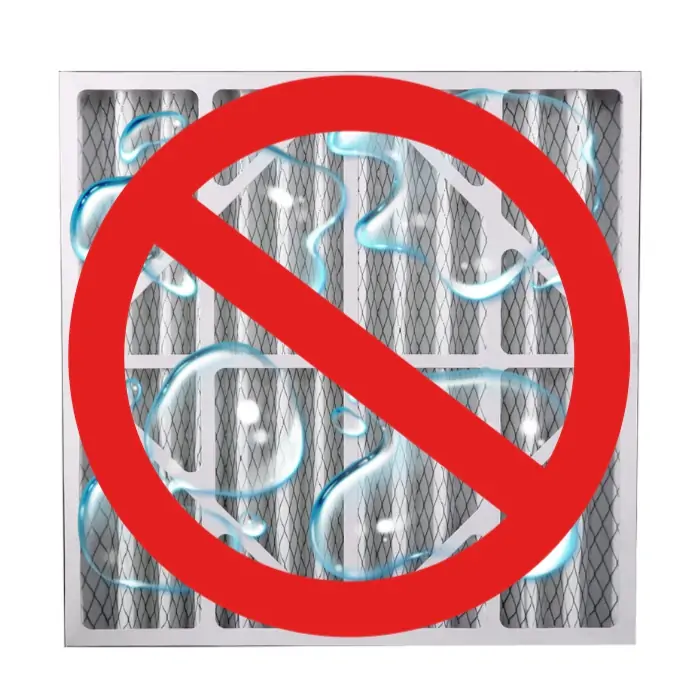
If an air filter does get wet, it’s important to dry it out thoroughly before using it again or consider replacing it if it's significantly compromised.
How to Dry a Wet Air Filter?
The drying methods for a damp air filter vary depending on the material. Operators need to be cautious to avoid damaging the filter. Here are the drying methods for different types of damp air filters:
- Chemical fiber air filters: Chemical fiber filters have strong hygroscopicity. They can be placed in a ventilated area to dry air naturally.
- Foam air filters: First, gently rinse the foam filter in clean water to remove surface dirt and impurities. Then, place it in a well-ventilated area to dry air naturally. Avoid long - term exposure to the sun to prevent the foam material from aging.
- Electrostatic air filters: It is generally not recommended to dry them by yourself because their internal structure is complex. Improper handling may damage the electrostatic adsorption function. If it gets damp, contact professionals for inspection and treatment.
- Metal mesh air filters: It is washable, and it needs to be dried as soon as possible to avoid rust.
- Nylon air filters: also washable, be careful not to violently clean, so as not to break the nylon net.