Are Bag Filters Becoming Obsolete? Why They Still Matter in Data Centers and Beyond
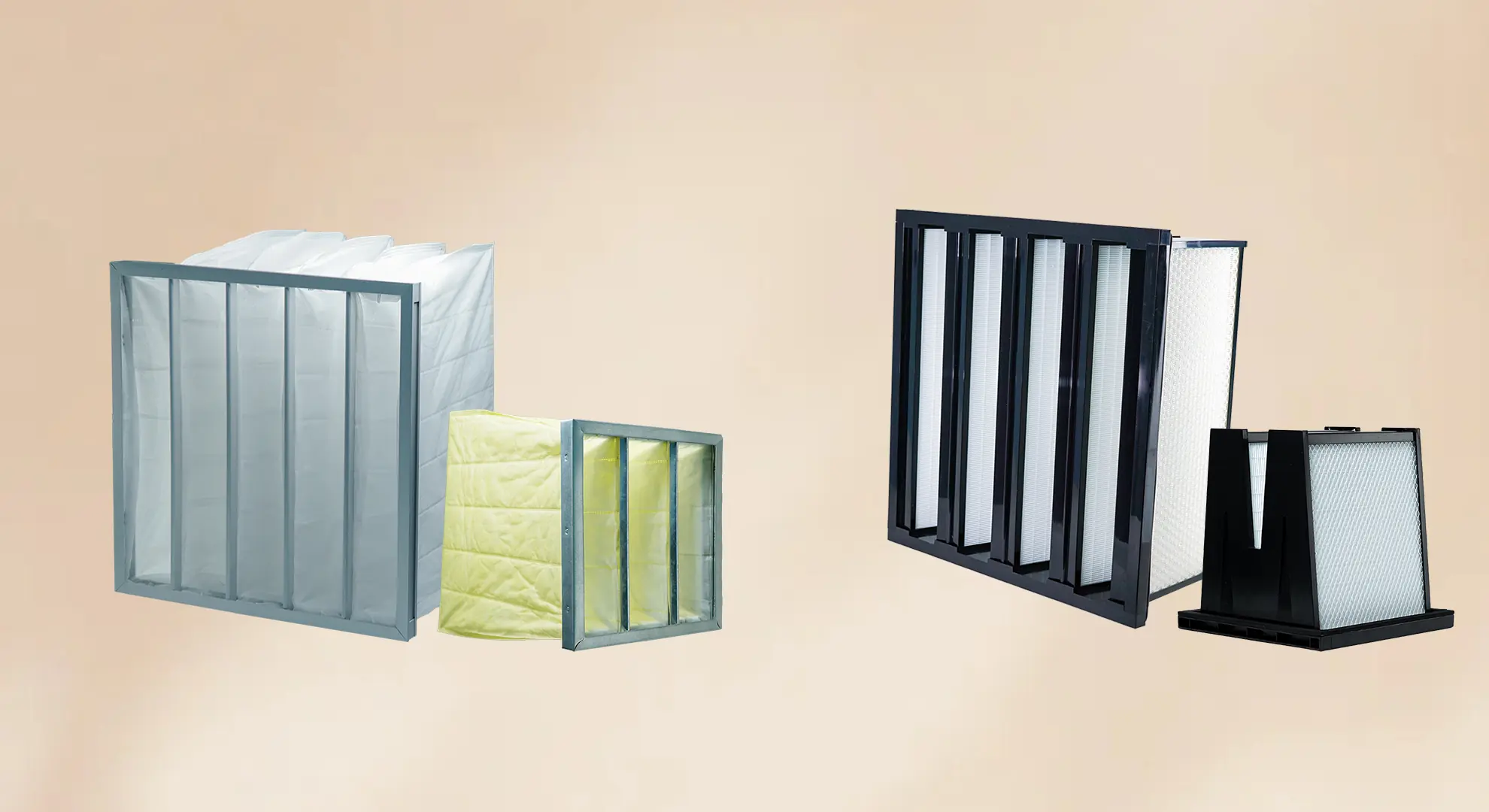
As V-bank compact filters gain ground in conventional commercial HVAC applications, one question remains: are bag filters becoming obsolete?
Not necessarily. Although compact filters offer advantages in certain operating environments, bag filters remain a competitive option when airflow conditions, filtration requirements, and operating costs align with their design.
Data centers are a notable example of how changing applications can create new opportunities for traditional filtration technologies.
1. Data Centers: A New Opportunity for Bag Filters
Unlike many commercial buildings, data centers typically operate continuously to meet the cooling requirements of servers and IT equipment.
In systems designed for relatively stable airflow, pocket filter can maintain their pockets in a consistently expanded state. This helps reduce the repeated inflation and relaxation that can occur in conventional HVAC systems with fluctuating airflow.
When the pockets remain open, the deep-pocket design can make more effective use of its available filtration area.
For data center operators, this creates an opportunity to evaluate bag filters based on pressure drop, service life, and total operating costs.
However, stable airflow does not automatically make bag filters superior. Actual performance depends on filter specifications, airflow rates, dust loading, and system design.
2. Stable Airflow Can Unlock the Advantages of Bag Filters
The main advantage of a bag filter is its ability to accommodate a substantial amount of filtration media within a relatively simple frame.
Under suitable operating conditions, a deep-pocket design can provide a large effective filtration area without requiring the rigid V-bank structure used by compact filters.
This can offer two potential benefits:
- Filtration performance: A larger effective media area may help reduce air velocity through the media and support competitive pressure-drop performance.
- Operating efficiency: In continuously operating facilities, maintaining favorable pressure-drop characteristics can help manage fan energy consumption.
Nevertheless, initial pressure drop alone does not determine energy efficiency. Average operating resistance, dust-holding capacity, and replacement intervals must also be considered.
The advantage of bag filters is not that they are always more efficient, but that their design can perform well when airflow conditions allow the filtration area to be fully utilized.
3. Logistics: An Overlooked Competitive Advantage
Filter selection involves more than operating performance. Transportation, warehousing, inventory management, and on-site handling can also affect total project costs.
Bag filters may offer packaging advantages because their flexible construction can allow more units to fit into a given shipping volume than some rigid compact filters.
An industry interview cited an example in which a carton designed for one 12-inch V-bank filter could accommodate approximately three to four bag filters. This ratio depends on the specific products and packaging arrangements and should not be treated as universal.
For large data center projects requiring thousands of filters, packaging efficiency can influence freight costs, storage requirements, and installation logistics.
When bag filters meet the required performance specifications, these factors may strengthen their overall value proposition.
4. Advances in Filter Media Are Changing the Equation
Modern bag filters should not be judged solely by the performance of older products.
Advances in filter media and product engineering create opportunities to improve filtration efficiency, airflow resistance, and dust-holding capacity.
A well-designed media structure can help balance these characteristics while meeting the required filtration standards.
However, technological improvements do not guarantee that every bag filter will outperform a compact filter.
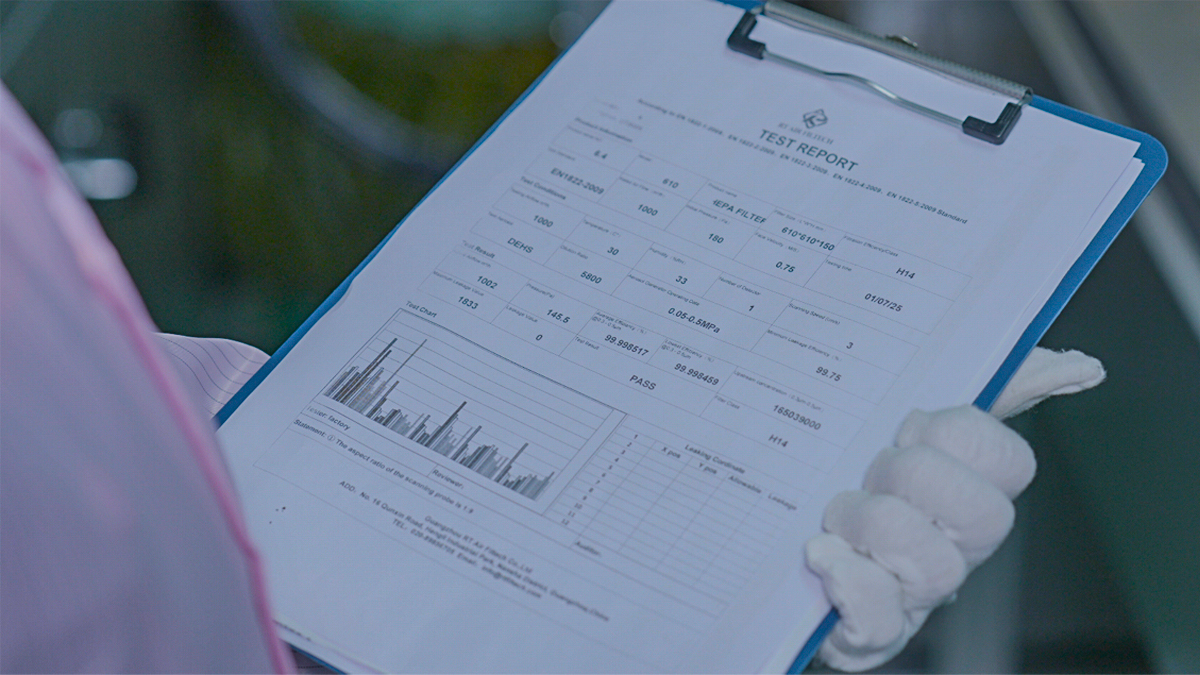
For a meaningful comparison, buyers should evaluate both products under equivalent conditions, including filtration efficiency, rated airflow, test standards, and terminal resistance.
The focus should be on measured performance rather than assumptions based on filter structure alone.
5. Could Liquid Cooling Affect Future Demand?
Liquid cooling and immersion cooling are gaining attention as data center operators seek more effective ways to manage increasing heat loads.
As these technologies develop, some facilities may become less dependent on conventional air-based cooling for server heat removal. This could affect future demand for air filtration in certain applications.
However, liquid cooling does not necessarily eliminate the need for filtered air. Data centers may still require air filtration for ventilation, electrical infrastructure, auxiliary equipment, and other operational areas.
The impact will depend on cooling architecture, facility design, and the scale of adoption.
For bag filter manufacturers, the key is to monitor how changing cooling technologies influence air-handling requirements rather than assuming that data center growth will automatically translate into higher demand.