How Do High Temperature Resistant Filters Work in High Temperature Environments?
In industrial production, the demand for air purification in high-temperature environments is growing, particularly in lithium battery manufacturing, industrial spray coating, and pharmaceutical sterilization. These applications require reliable high temperature filtration solutions that can maintain stable airflow and filtration efficiency under extreme heat conditions up to 250–300°C. As critical equipment, industrial high-temperature air filters leverage specialized structural designs and material selections to deliver stable filtration performance under extreme thermal conditions, ensuring safe and efficient production processes.
This article will delve into the operating principles of high temperature filtration systems and practical value of high-temperature filters in such environments, covering their core components, temperature-adaptation characteristics, efficiency rating classifications, and typical application scenarios.
Core Components of High Temperature Resistant Filters
In industrial applications, selecting the right high temperature filter depends not only on filtration efficiency but also on structural stability and material performance under continuous thermal stress.
The core reason high-temperature filters can operate normally in high-temperature industrial environments lies in the outstanding performance of their two key components: high-temperature-resistant filter media and sealant. Together, they form the foundation for the filter's resistance to high temperatures and its ability to achieve efficient filtration.
High Temperature Resistant Filter Media
Currently, the primary high-temperature resistant filter materials commonly used in industrial applications include glass fiber and aramid fiber.
Glass fiber filter material
Glass fiber filter materials, with their excellent high-temperature resistance and filtration precision, can be used long-term in environments ranging from 250 to 300°C. They demonstrate strong capture capabilities for fine particles and are widely used in applications that require high filtration efficiency under elevated temperatures.

Glass fiber filter materials are available in both standard and ultra-fine grades. Standard fiberglass is typically used in medium efficiency filtration, while ultra-fine glass microfiber is used in high-efficiency (HEPA) filters due to its superior ability to capture submicron particles. This makes ultra-fine glass fiber essential in applications requiring high air cleanliness, such as pharmaceutical and electronics manufacturing.

Aramid fiber
Aramid fiber is known for its exceptional heat resistance. It can withstand continuous operation at around 200°C and short-term exposure up to 250°C, with a glass transition temperature exceeding 275°C. This makes it suitable for high-temperature filtration environments where both thermal stability and mechanical strength are required.
In addition, aramid fiber offers excellent chemical stability and low reactivity, making it resistant to most industrial gases and volatile compounds. This property is especially important in electronics manufacturing environments, where even minor chemical contamination can affect product performance and yield. Contact Us for more details
Metal mesh filter media
Metal mesh filter media, typically made from stainless steel, is used in primary high-temperature filtration stages. It offers excellent structural strength and can withstand extreme temperatures, making it suitable for coarse particle filtration and pre-filtration in harsh industrial environments.
Metal mesh filter media, especially stainless steel mesh, is not only used for high-temperature primary filtration but is also suitable for applications involving oil and grease separation. For example, in commercial kitchens and food processing environments, metal mesh filters are commonly used as grease filters due to their durability, washability, and resistance to high temperatures.

Specialized synthetic fibers
Specialized synthetic fibers are also used in certain high temperature filtration systems, offering a balance between temperature resistance, flexibility, and cost efficiency depending on the application requirements.
Specialized synthetic fibers are typically used in primary filtration stages, where cost efficiency and basic dust removal are the main requirements. While they offer moderate temperature resistance and flexibility, they are generally not suitable for high-efficiency filtration in high-temperature environments due to limitations in thermal stability and filtration precision.
Sealant
In high-temperature environments, the performance of the sealant directly impacts the overall filtration efficiency of the filter. If the sealant softens, cracks, or volatilizes under high temperatures, unfiltered air may leak through the sealing gaps, severely compromising purification effectiveness and potentially threatening the quality of manufactured products. Therefore, sealants used in high-temperature filters must exhibit excellent high-temperature stability, strong adhesion, and low volatility.
Currently, the primary high-temperature resistant sealants are silicone rubber sealant and ceramic high-temperature adhesive.
1. Silicone rubber sealant maintains stable performance within the temperature range of -60 to 300°C, offering good elasticity and adhesion, making it suitable for most medium-to-low temperature and high-temperature resistant filters.
2. Ceramic high-temperature adhesives, however, can withstand temperatures exceeding 400°C without releasing volatile, harmful substances. They are suitable for high-temperature filtration applications at 350°C and above, such as in spray drying towers for milk powder and high-temperature freeze dryers.
In high temperature applications, seal integrity is critical to prevent air leakage and ensure that all airflow passes through the filter media, maintaining consistent filtration performance.
Types and Structure of High-Temperature Resistant Filters
The structural design of high temperature filters plays a critical role in maintaining performance under high heat and airflow conditions.
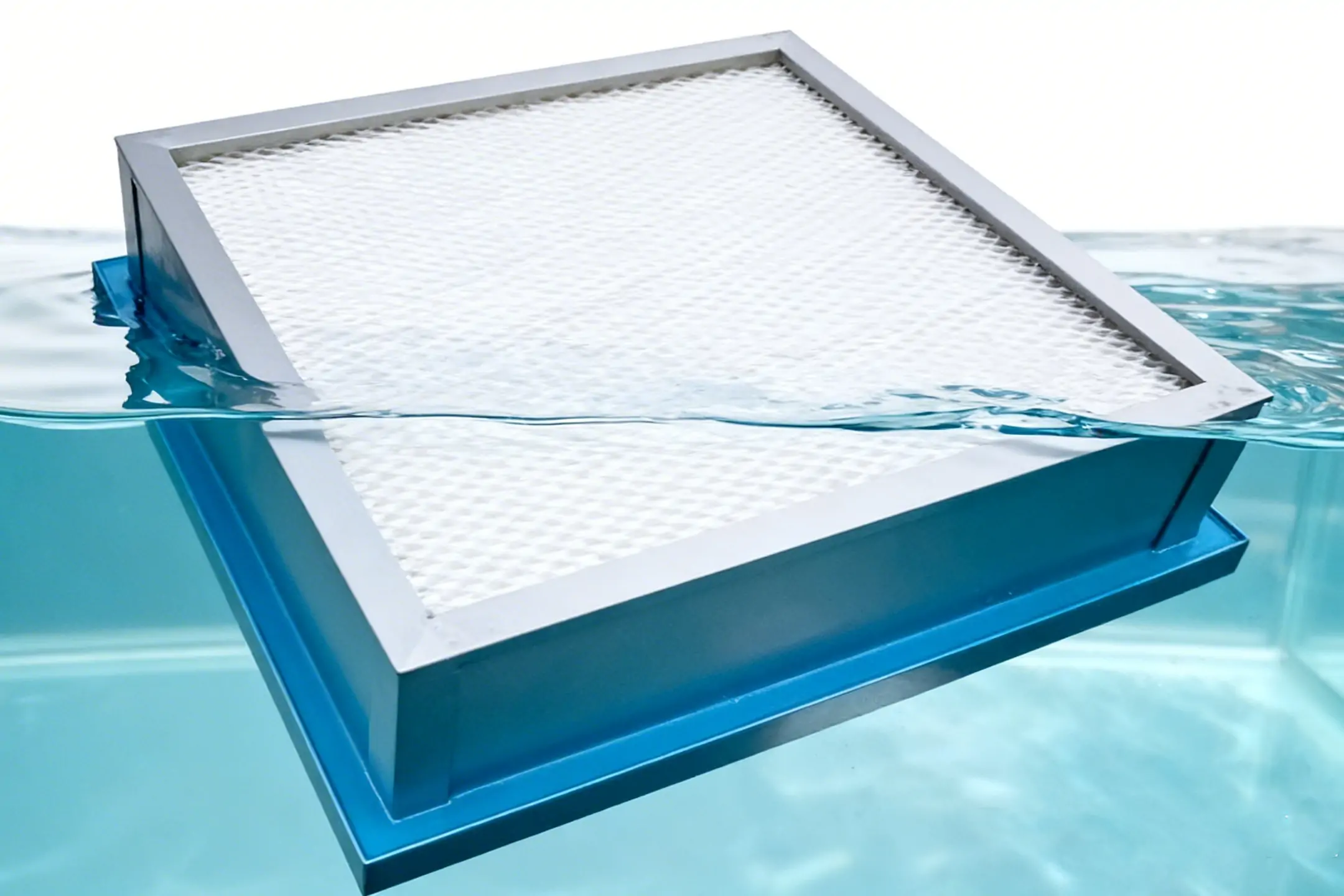
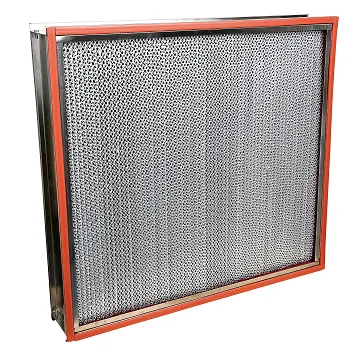
For high efficiency filters, deep-pleated structures combined with aluminum spacers are commonly used. These spacers ensure uniform airflow distribution and prevent the filter media from collapsing or deforming under thermal stress.
This design is particularly important in industrial drying ovens and coating lines, where stable airflow directly affects product quality.
Primary High-Temperature Resistant Filters
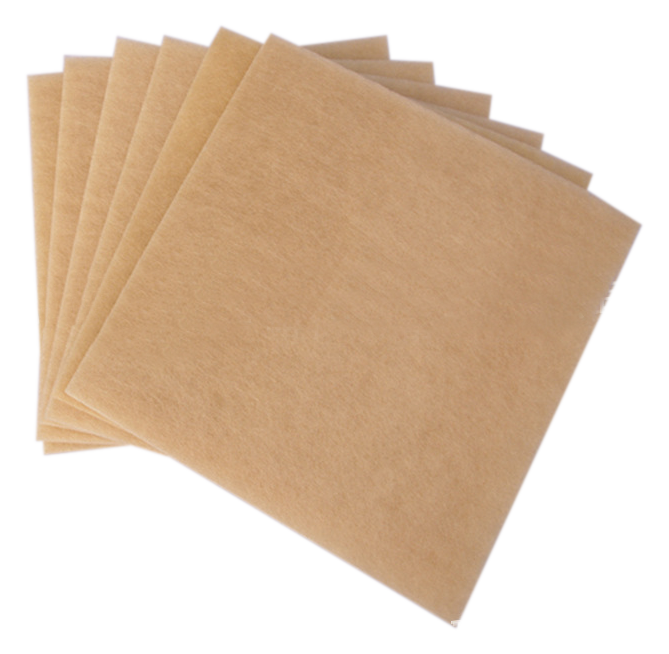
Primary filters primarily capture larger particulate matter, protecting downstream medium-efficiency and high-efficiency filters. In high-temperature environments, primary filters are typically constructed from heat-resistant metal mesh or synthetic fibers. They withstand the impact of high-temperature airflow while trapping larger dust particles.

Medium Efficiency High-Temperature Filters
Medium efficiency filters utilize finer fiber materials to capture smaller particles. In high-temperature settings, these filters typically employ heat-resistant synthetic materials like glass fiber or aramid fiber. Structurally, they often feature wedge-shaped or pleated designs to increase filtration area and dust-holding capacity.

High-Efficiency Heat-Resistant Filters
High-efficiency filters (HEPA/ULPA) capture ultrafine particles with efficiency exceeding 99.97% (for 0.3μm particles). In high-temperature applications, these filters employ ultrafine glass fiber media. Their pleated design maximizes filtration area, while heat-resistant frames and sealing materials ensure structural integrity.
| Filter Class | Temperature Range | Filter MediaFilter Media | Seal | Application |
|---|---|---|---|---|
| Primary | 250–300°C | Metal / Fiberglass / Synthetic Fiber | None | Pre-filtration |
| Medium | 250-450°C | Aramid Fiber /Fiberglass | Fiberglass Rope | Spray Painting Lines |
| HEPA | 250–450°C | Glass microfiber | Silicone rubber/ Ceramic | Clean drying ovens |
Applications of High-Temperature Resistant Filters
Spray Coating and Drying Lines
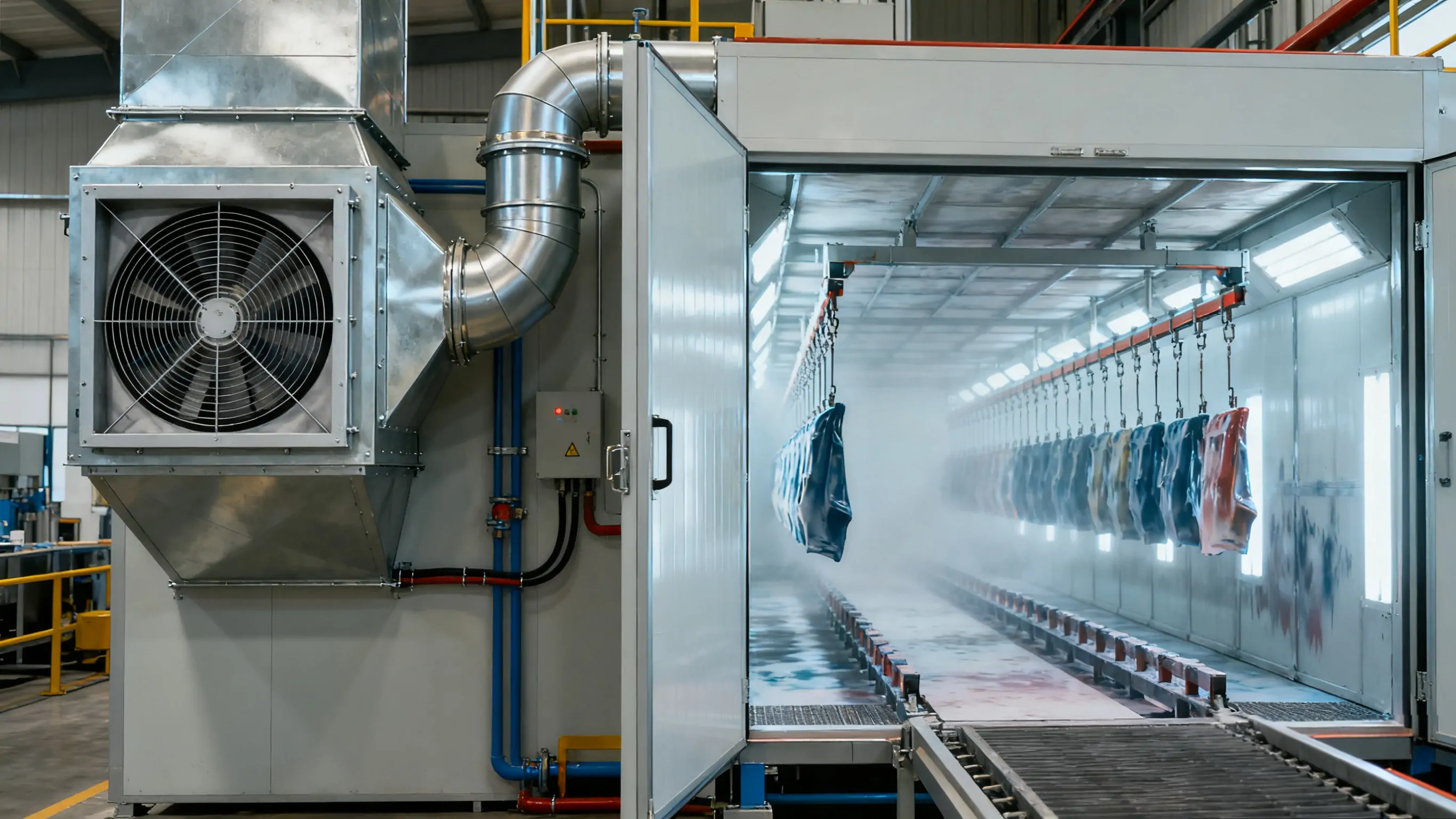
In spray coating processes for industries such as automotive and furniture manufacturing, workpieces undergo curing in drying lines after coating application. Temperatures within these lines typically reach 150-250°C, with air containing paint mist particles and volatile organic compounds (VOCs). High-temperature resistant filters ensure the cleanliness of the hot air circulation system during this process, preventing contaminants from adhering to uncured paint surfaces and guaranteeing product quality.
Lithium Battery Electrode Sheet Ovens
During lithium battery manufacturing, electrode sheets undergo high-temperature baking to remove moisture and organic solvents. Oven temperatures can exceed 200°C, with extremely stringent air quality requirements—even minute particulate contamination can compromise battery performance. High-temperature resistant filters guarantee the cleanliness of the hot air, preventing dust contamination of the electrode sheets.
Food Processing Equipment
In food processing equipment such as fruit and vegetable dehydrators and milk powder spray drying towers, high-temperature air comes into direct contact with food. High-temperature resistant filters must not only withstand extreme heat but also comply with food hygiene standards to ensure no contaminants are introduced. These filters typically feature stainless steel frames and food-grade sealing materials to guarantee food safety.
Pharmaceutical Equipment
In pharmaceutical granule drying equipment and freeze dryers, air cleanliness requirements are extremely stringent. High-temperature filters must operate efficiently at temperatures exceeding 250°C while preventing microbial and particulate contamination of pharmaceuticals. These applications typically require filters capable of withstanding regular high-temperature sterilization without releasing any chemicals.
Different industrial applications require tailored high temperature filtration solutions based on temperature, airflow, and contamination control requirements.
Common Failure Risks in High Temperature Filtration
Improper filter selection in high temperature environments may lead to:
- Filter media deformation under heat
- Seal failure and air leakage
- Reduced filtration efficiency
- Contamination of sensitive production processes
If you need assistance in selecting suitable high temperature filtration solutions, feel free to contact our team for technical support.