The Impact of The Popularity of New Energy Vehicles on The Air Filtration Market
Ⅰ. Overview of the New Energy Vehicle (NEV) Market
The global automotive industry is undergoing a significant transformation with the rapid growth of New Energy Vehicles (NEVs), including Battery Electric Vehicles (BEVs), Plug-in Hybrid Electric Vehicles (PHEVs), and Fuel Cell Electric Vehicles (FCEVs). Several key factors are driving this shift:
1. Government Policies & Environmental Regulations: Many countries have set ambitious targets to phase out internal combustion engine (ICE) vehicles. For example, the EU plans to ban new petrol and diesel cars by 2035, while China aims for NEVs to account for 40% of new car sales by 2030.
2. Technological Advancements: Improvements in battery technology (e.g., solid-state batteries), charging infrastructure, and autonomous driving are making NEVs more attractive.
3. Consumer Demand: Rising fuel costs and growing environmental awareness are pushing consumers toward greener alternatives.
As a result, global NEV sales have surged, with China leading the market (accounting for over 50% of global NEV sales), followed by Europe and the U.S. Traditional automakers (e.g., Volkswagen, Toyota) and new players (e.g., Tesla, BYD, NIO) are aggressively expanding their NEV production capacities.
Ⅱ. Impact of NEV Popularization on Air Filter Demand
The rise of NEVs is reshaping the automotive manufacturing process, particularly in painting and coating, which directly affects the demand for paint booth filters.
Key Changes in NEV Manufacturing Affecting Paint Booth Operations:
1. Different Body Materials:
NEVs often use lighter materials (aluminum, carbon fiber, and high-strength steel) to offset battery weight.
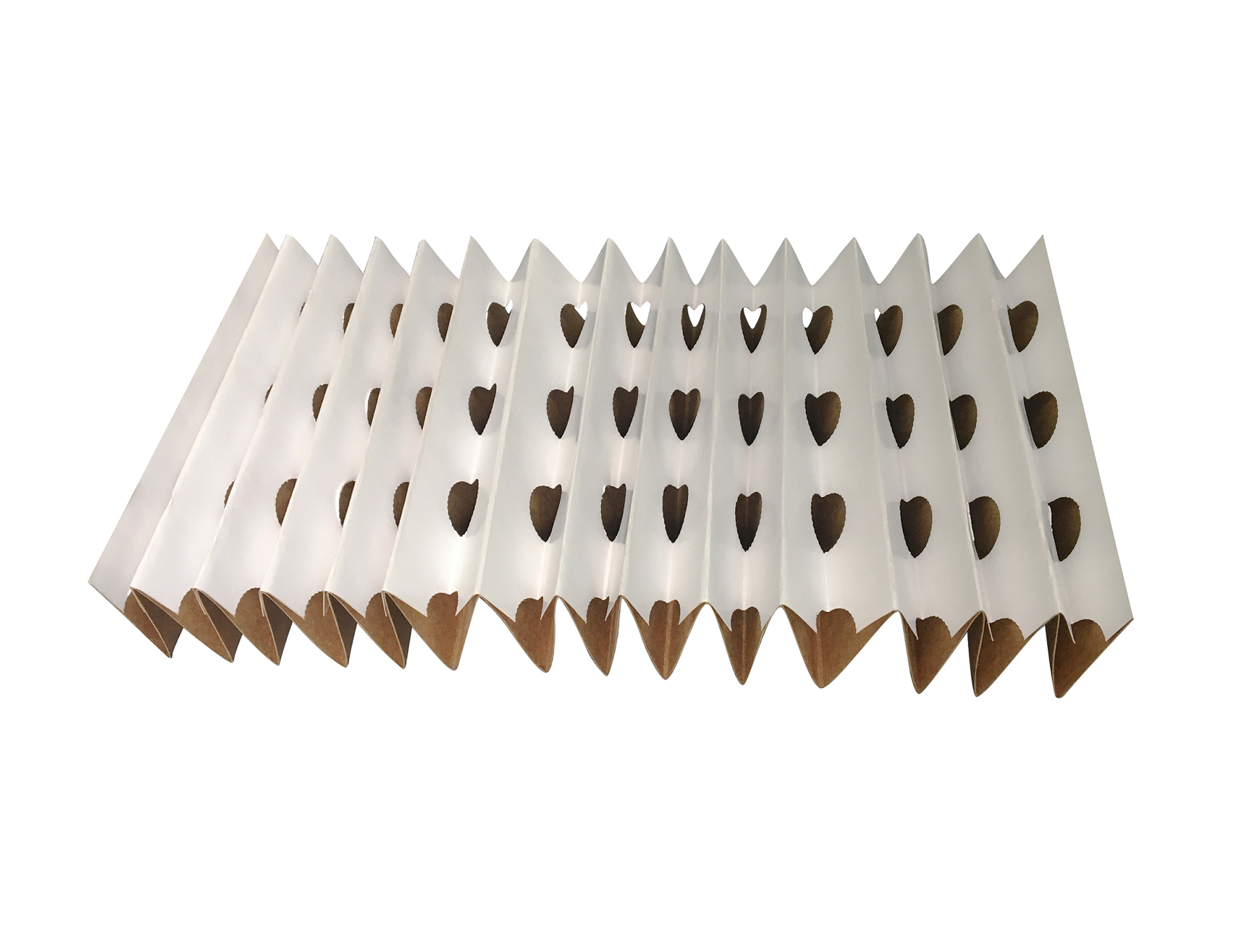
Impact on Filters: These materials may require different paint formulations, potentially altering the type and quantity of overspray particles. This could influence the choice of paint filter paper and pre-filters to capture finer particulates.

2. Increased Automation & Precision Coating:
NEV manufacturers prioritize high-efficiency painting processes (e.g., robotic electrostatic painting) to reduce waste.
Impact on Filters: With more precise application, there may be less overspray, reducing the frequency of paint stop filter (floor filter) replacement but increasing demand for high-efficiency ceiling filters to maintain air purity.


3. Stricter Environmental & Safety Standards:
NEV factories often adopt zero-emission or low-VOC (volatile organic compound) paints (e.g., water-based coatings).
Impact on Filters:
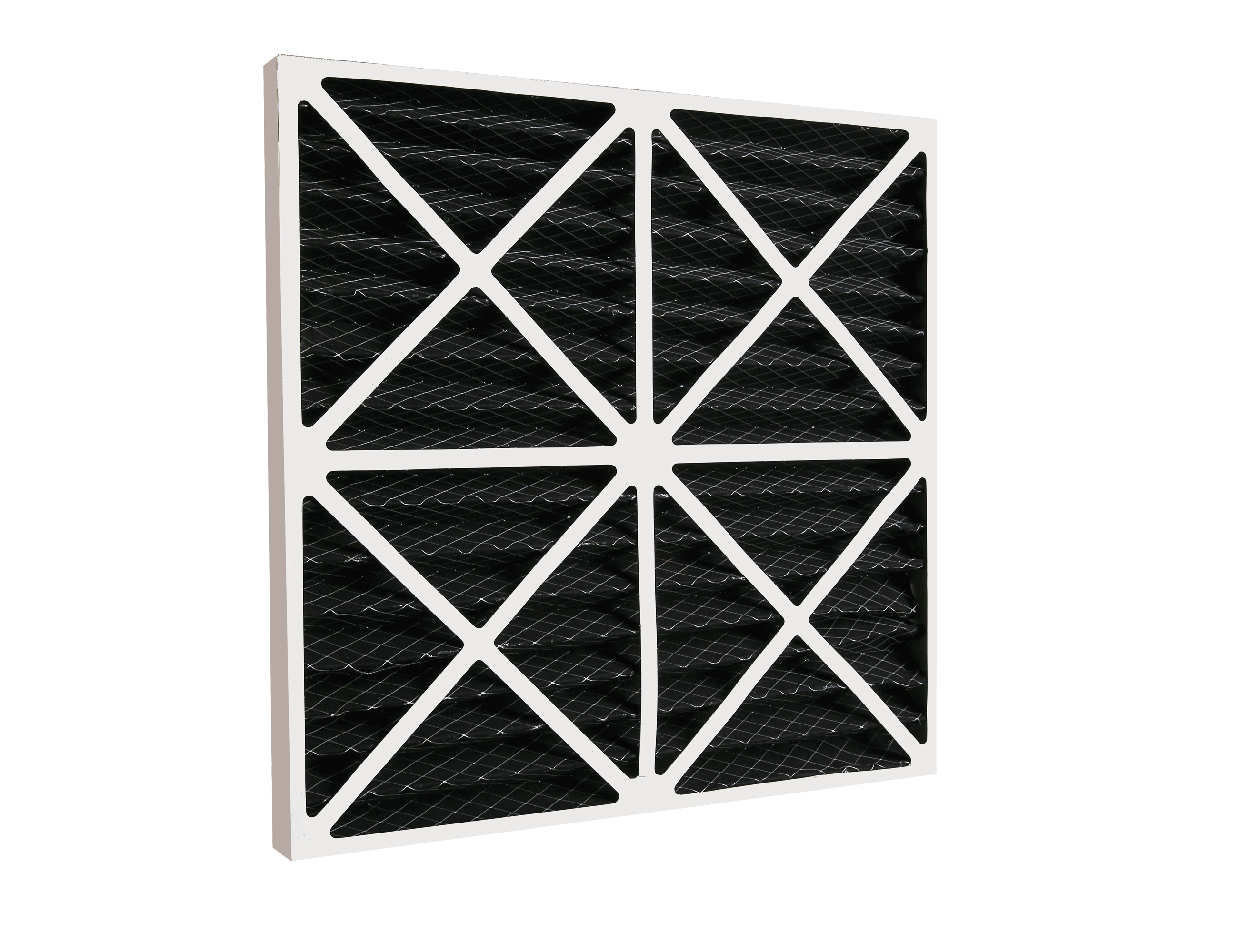
Activated carbon filters will see higher demand to absorb VOCs and ensure compliance with emission regulations. Pocket filters may need a higher dust-holding capacity to handle different paint residues.

4. Higher Production Volumes & Faster Cycle Times:
As NEV production scales up, paint booths will operate more frequently, increasing filter wear and replacement needs.
Impact on Filters:
Pre-filters (pre-filter rolls) will require more frequent changes to protect downstream filters. Durable paint filter paper with higher tensile strength will be preferred to withstand continuous use.