Metal Frames Rust in Air Filtration
In industrial production, commercial buildings, and various clean environments, metal-framed filtration products serve as common core components within air filtration systems. However, many users frequently encounter two hidden concerns during operation: First, why does the filtered air consistently carry water vapor? Second, why do metal frames rust after a period of use? These seemingly separate issues are closely intertwined—water vapor is not only a regular visitor in air filtration but also the hidden culprit behind metal frame rusting. This article will delve into the underlying mechanisms linking these two phenomena, their practical impacts, and corresponding countermeasures, helping you make more informed choices and maintain your filtration equipment more effectivel
Water Vapor in Air Filtration and Metal Frame Rusting: Causes, Effects, and Solutions
In air filtration systems for industrial production, commercial buildings, and various clean environments, metal-framed filter products serve as common core components. However, many users frequently encounter two hidden concerns during operation: First, why does the filtered air consistently carry water vapor? Second, why do metal frames rust after a period of use? These seemingly separate issues are closely intertwined—water vapor is not only a regular visitor in air filtration but also the hidden culprit behind metal frame rusting. This article will delve into the underlying mechanisms linking these two phenomena, their practical impacts, and corresponding countermeasures, helping you make more informed choices and maintain filtration equipment scientifically.
Water Vapor in Air Filtration: Why Is It "Always Present"?
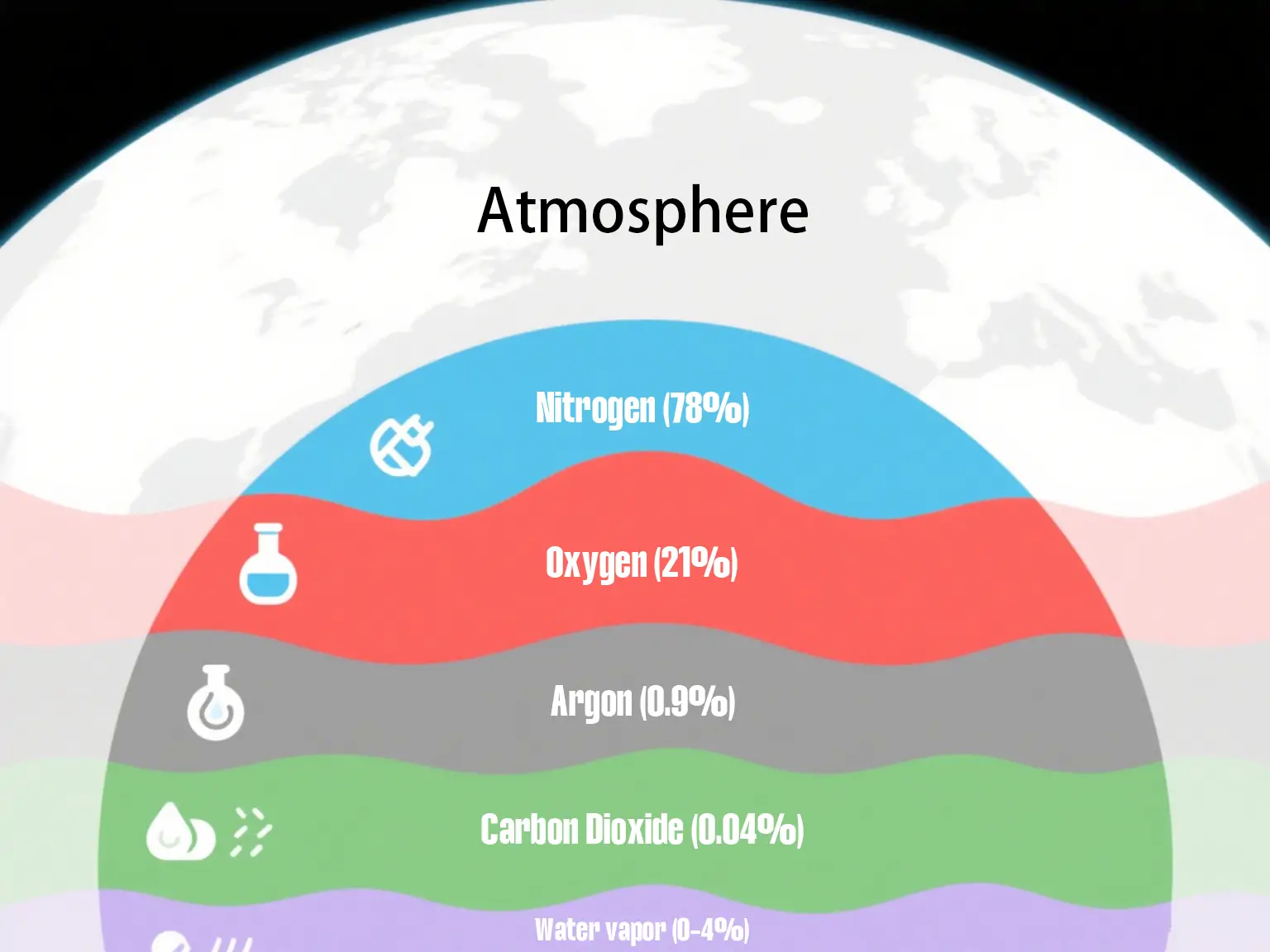
Air is fundamentally a mixture of gases. Beyond its primary components—nitrogen (approximately 78%) and oxygen (approximately 21%)—it contains trace amounts of carbon dioxide, rare gases, and a significant quantity of water vapor. Water vapor, the gaseous form of water, dynamically adjusts its concentration based on environmental temperature and humidity: higher temperatures and greater humidity lead to increased water vapor content.
1. A Permanent Guest in Natural Environments
In daily life or industrial settings, air is virtually impossible to render completely "dry." For instance:
- Southern China's Plum Rain Season: Relative humidity can reach 80%-90%, with water vapor nearing saturation;
- Coastal Regions: Influenced by ocean evaporation, air consistently carries substantial salt and moisture year-round;
- Industrial production processes: Activities like food steaming, chemical reactions, and pharmaceutical sterilization actively release water vapor, further elevating local humidity.
For air filtration systems—whether handling fresh air in central HVAC, circulating air in cleanrooms, or purifying industrial exhaust—the raw air itself may contain high proportions of water vapor.
2. Potential Effects of Water Vapor on Filtration Systems
While water vapor itself does not directly reduce the particle interception efficiency of filtration media (e.g., filter paper, mesh), it indirectly impacts system performance through the following pathways:
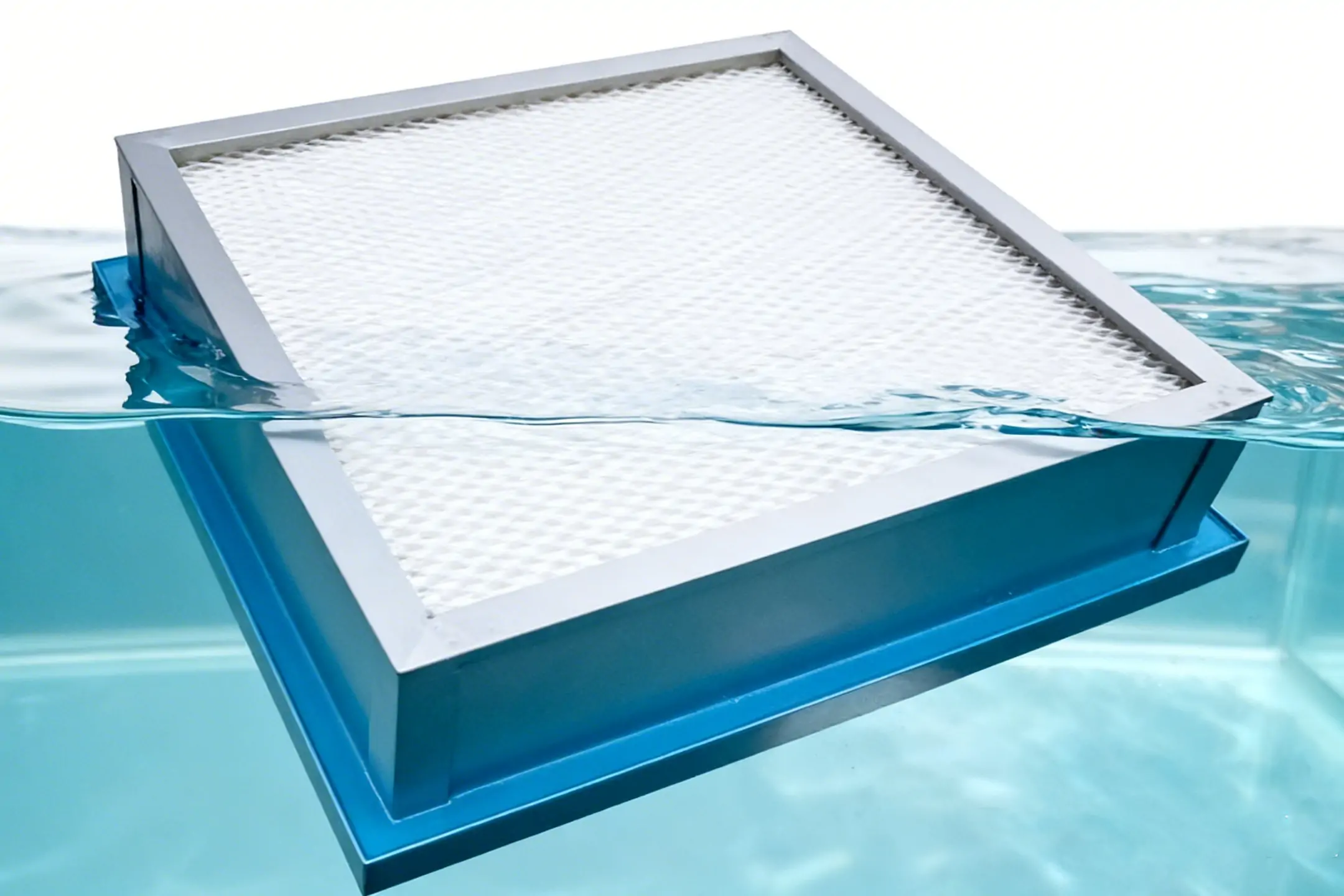
- Condensation Risk: When high-temperature, high-humidity air encounters cold filter media or ductwork, water vapor may condense into liquid water, causing filter materials to become damp. Moisture-laden filter media not only increases resistance (raising fan energy consumption) but may also foster bacterial or fungal growth, contaminating the filtered air;
- Increased load: Tiny droplets carried by water vapor may adsorb dust particles, forming mud-like contaminants that accelerate filter media clogging;
- Metal corrosion risk: Water vapor is a necessary condition for metal corrosion—it provides the moisture foundation for subsequent rusting processes
Rusting of Metal Frame Filtration Products
Metal frames serve as the skeleton of filtration products, commonly made from materials such as carbon steel (painted or galvanized), aluminum alloy, and stainless steel (304, 316). However, during actual use, many metal frames experience surface corrosion, coating peeling, or even structural weakening—with water vapor being the key catalyst in this process.
1. The Essence of Rust: Metal Oxidation Reactions
Metals (especially iron and carbon steel) undergo chemical reactions with oxygen in the air, forming oxides (commonly known as rust). Taking iron as an example, the core reaction for rust formation is:
4Fe+3O2+6H2O→4Fe(OH)3→2Fe2O3⋅3H2O
Simply put, rust requires three conditions: a metal substrate, oxygen, and moisture. Air filtration systems happen to provide all three simultaneously—the metal frame serves as the substrate, oxygen is ubiquitous in the air, and water vapor acts as a continuous source of moisture.
2. The “Catalytic Effect” of Water Vapor
Although water vapor exists in gaseous form, it condenses into a liquid water film upon encountering cooled metal surfaces. This invisible thin film acts as an electrolyte solution, accelerating the electrochemical corrosion process of metals:
- Dissolved oxygen in the water film reacts with the metal through oxidation (anodic reaction: Fe → Fe²⁺ + 2e⁻);
- Ions within the film (such as those carried by acidic or alkaline impurities) form closed circuits (cathodic reaction), further promoting the loss of iron ions;
- Over time, this accumulates, destroying protective layers on the metal surface (like zinc coatings or paint layers). The exposed underlying metal then rusts at an exponentially increasing rate.
3. Additional Rust Accelerating Factors
Beyond water vapor, the following environmental conditions further intensify corrosion of metal frames:
- High-salt environments in coastal areas: Chloride ions in the air (from sea salt) destroy the passivation film on metal surfaces, significantly reducing corrosion resistance;
- Corrosive gases like acidic or alkaline vapors emitted from chemical plants: These react directly with metal or compromise surface protective coatings;
- Inadequate protection: If metal frames rely solely on standard paint or thin coatings without rigorous quality control (uneven coating thickness, porous spray finishes), their rust resistance is severely diminished.
The Connection Between Water Vapor and Metal Rusting
From a technical perspective, water vapor in air filtration and rusting of metal frames are not isolated incidents but form a closed-loop environmental challenge-material response cycle:
Water vapor is an inherent byproduct of air filtration and cannot be entirely avoided;
Metal frames, serving as structural supports for filtration products, face inevitable rusting risks when exposed long-term to water vapor-laden air without adequate protective measures;
The combined effect of these factors ultimately impacts the reliability, service life, and maintenance costs of filtration equipment.
For instance, in a coastal pharmaceutical plant's cleanroom where air humidity consistently exceeds 75%, and the filtration system was not optimized for high-humidity environments, metal-framed filter products developed extensive rust spots after just six months of operation. This not only compromised their appearance but also caused frame deformation due to corrosion, compromising the filter media's sealing integrity—a classic example of how water vapor indirectly undermines filtration effectiveness through rusting.
Related articles: Can Air Filter Get Wet?
How to Address the Issue?
To tackle water vapor and metal corrosion, users and manufacturers must collaborate on three fronts—environmental adaptation, material selection, and maintenance management—to fundamentally resolve the problem.
1. Source Control and System Adaptation
- High-humidity environment pre-treatment: Install dehumidifiers or condensation dryers before air enters the filtration system to maintain humidity within suitable ranges (generally recommended relative humidity ≤60%);
- Moisture-Resistant Filter Media Design: Select hydrophobic or moisture-resistant coated filter media (e.g., membrane-coated filter paper) to prevent vapor condensation from permeating the filter material;
- Regular Drainage Inspection: If the filtration system includes condensate collection devices (e.g., drain pipes, drip pans), ensure regular cleaning to prevent microbial growth in stagnant water or backflow into metal frames.
2. Material Upgrades and Enhanced Protection
Opt for corrosion-resistant materials:
- Standard environments: Use hot-dip galvanized steel (zinc coating ≥80μm) or aluminum alloy (naturally oxidation-resistant);
- High-humidity/corrosive environments: Prioritize 304 stainless steel (resistant to weak acids/alkalis) or 316 stainless steel (contains molybdenum for enhanced salt spray corrosion resistance);
- Extreme environments (coastal chemical plants): Customize plastic frames (PP, PVDF) or fully coated corrosion-resistant metal frames (epoxy resin spray + polyurethane sealant).
Enhanced Surface Treatment:
- Spray Coating Process: Employ electrostatic spraying or electrophoretic coating to ensure uniform, pore-free coatings that pass salt spray tests (≥500 hours);
- Passivation Treatment: Passivate stainless steel surfaces to enhance self-healing capabilities;
- Sealing Design: Optimized frame joint structures (adding rubber gaskets) prevent moisture ingress through gaps.
Daily Maintenance Guidelines:
- Regularly inspect frames for rust spots or coating peeling; promptly wipe with neutral detergent and touch up paint if issues arise;
- Maintain ventilation and dryness around filtration systems to prevent water accumulation directly contacting metal components;
- For long-term decommissioned equipment, disassemble metal frames and store in dry conditions or apply rust-preventive oil for protection.
3. Tailor Solutions to Environmental Requirements
When procuring filtration products, users should proactively inform suppliers of usage environments (indoor/outdoor, humidity range, presence of corrosive gases) to enable manufacturers to recommend suitable metal frame materials and protective solutions. For example:
- Standard office building HVAC filtration: Basic galvanized steel frame + primer coating suffices;
- Food processing cleanrooms with humidity >80%: 304 stainless steel frame + membrane-coated filter media recommended;
- Coastal chemical plant exhaust filtration: Mandatory use of 316 stainless steel or plastic frames with enhanced sealing and corrosion protection.
The issue of water vapor causing rust on metal frames within air filtration systems fundamentally presents a combined challenge of environmental adaptability and materials science. As a core component of filtration equipment, the durability of metal frames not only affects product lifespan but also directly impacts filtration efficiency and user operating costs.
By understanding the logic behind water vapor presence and the mechanisms triggering rust, and implementing targeted protective measures (such as material upgrades, environmental pre-treatment, and regular maintenance), users can significantly reduce the risk of metal frame rusting and extend the overall lifespan of the filtration system. For filtration equipment manufacturers, delving into these hidden needs and providing tailored solutions is key to enhancing brand expertise and user trust.