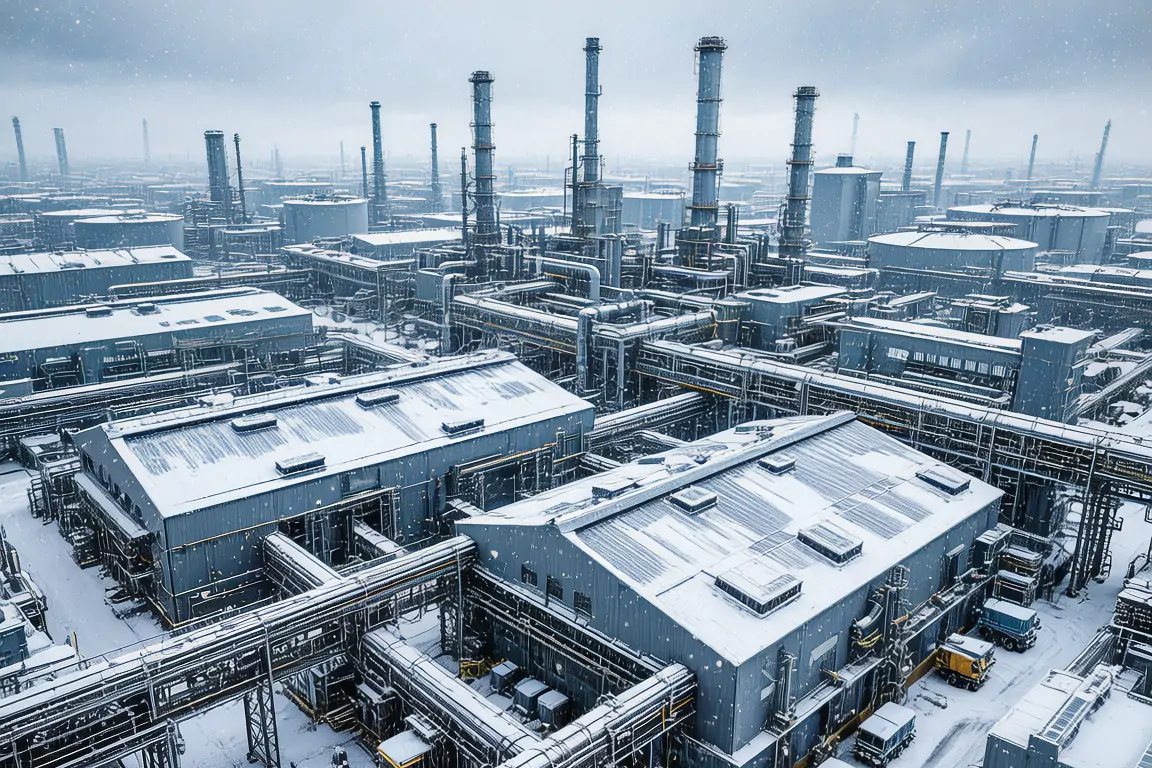
Industrial Air Filter Maintenance Tips for Winter
Winter presents unique challenges for industrial air filter maintenance. Low temperatures, dry air, increased particulate load, and higher energy demand place additional stress on filtration systems that may operate smoothly during warmer months. If summer is about efficiency, winter is about resilience. Proper maintenance during this season is essential for maintaining stable airflow, protecting HVAC equipment, and controlling operating costs.
How Winter Conditions Affect Industrial Air Filters
Cold weather changes how air behaves inside HVAC and industrial ventilation systems. As outdoor temperatures drop, air density increases, which directly affects airflow resistance. Heating systems also tend to run longer in winter, pulling larger volumes of air through filters.
In many industrial environments, winter brings higher dust concentration. Dry air prevents particles from settling, keeping them airborne and increasing the burden on air filters. Without proper adjustment, filters can clog faster than expected, leading to higher pressure drop and reduced system efficiency.
Increase Inspection Frequency During Winter
Filters that are checked monthly in summer often require more frequent inspection in winter. This is not simply a precaution, but a response to changing operating conditions. Higher airflow demand combined with denser air accelerates dust accumulation.
Routine inspections should focus on:
- Surface dust buildup
- Uneven loading across filter pockets
- Physical deformation caused by temperature changes
Monitoring pressure drop is particularly important during winter. A steady increase usually indicates that the filter is approaching the end of its effective service life, even if it appears visually intact.
Managing Moisture and Condensation Risks
Although winter air is generally dry, condensation can still occur inside ventilation systems due to temperature differences between incoming cold air and warm indoor airflow. When moisture forms, it often goes unnoticed but can have a serious impact on filter performance. For information on damp air filters, please see this article: Can Air Filter Get Wet?
Filters with strong structural support, such as well-designed pocket or rigid bag filters, tend to perform more consistently in winter. When planning industrial air filter maintenance for cold seasons, material stability and construction quality are just as important as efficiency ratings. To learn about washable air filter materials, click on this article: What air filter materials are washable?.

Why Delaying Filter Replacement Increases Costs
Extending filter replacement intervals to reduce maintenance work is a common winter mistake. While it may seem cost-effective in the short term, it often leads to higher energy consumption. As filters clog, fans must work harder to maintain airflow, increasing power usage and placing additional strain on HVAC components.
Replacing filters slightly earlier during winter often reduces overall operating costs by keeping airflow resistance under control and preventing unnecessary system stress.
Aligning Filter Maintenance With Energy Efficiency Goals
Lower Resistance Keeps Fans Working Efficiently
Well-designed synthetic fiber, glass fiber, or rigid filter bags maintain stable and low pressure drop throughout their entire service life. This ensures smoother airflow, thereby enhancing fan efficiency.
Winter is typically the most energy-intensive season for industrial facilities. Heating demand is high, and airflow inefficiencies quickly translate into increased energy bills. Clean, properly selected air filters support stable airflow and reduce the workload on fans and heating equipment.
Effective winter air filter maintenance contributes directly to:
- Lower fan energy consumption
- More consistent indoor air quality
- Reduced mechanical wear on HVAC systems
In this way, filter maintenance becomes a key part of energy management rather than a routine maintenance task.
Using Winter Data to Improve Future Maintenance
Winter operating conditions provide valuable insight into system performance. Tracking pressure drop trends, replacement intervals, and dust loading during this season helps identify whether filters are properly selected for the environment.
This data can be used to optimize filter selection, improve maintenance schedules, and enhance system design for future seasons, including spring and summer transitions.
Industrial air filters often work hardest during winter, even though their role is rarely visible. Cold air, increased airflow demand, and moisture-related challenges create conditions where small maintenance oversights can lead to significant performance losses.
A well-planned winter maintenance strategy protects air filters, HVAC equipment, and energy budgets alike. By understanding how winter conditions affect filtration systems and responding with timely inspections and replacements, facilities can maintain reliable operation and stable air quality throughout the cold season.